
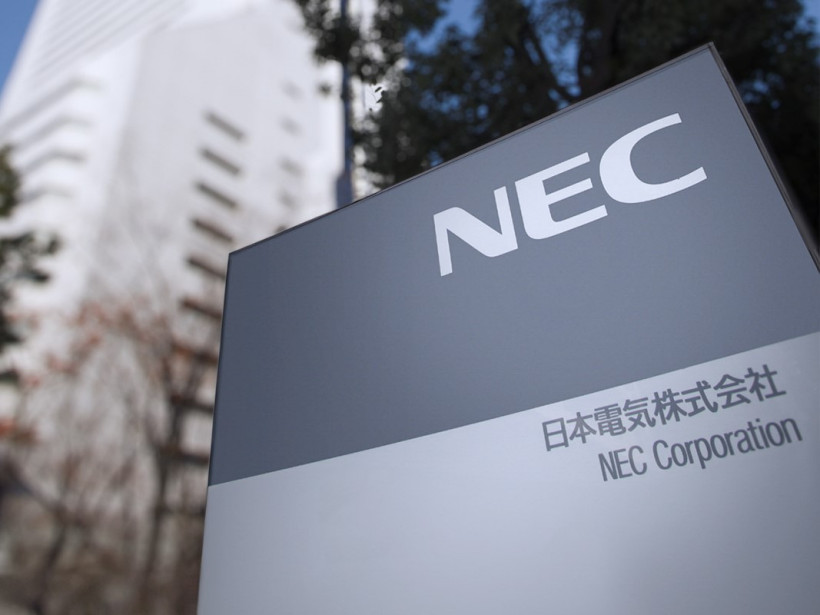
NEC (Nippon Electric Company) announced on the 10th local time that it officially established earlier this month a “Corporate AI and Workforce Department,” in which AI plays the roles of all employees. The organization is intended to verify how humans and AI interact, following a month-long internal testing period.
NEC’s “Corporate AI and Workforce Department” consists of four levels: department head, committee, manager, and general employee. In this system, AI autonomously handles every step from task definition to execution and self-evolution, while humans are responsible for quality control and management.
Interestingly, the AI employees it generates must also undergo onboarding training to learn NEC’s values and principles, mission, code of conduct, and internal regulations.
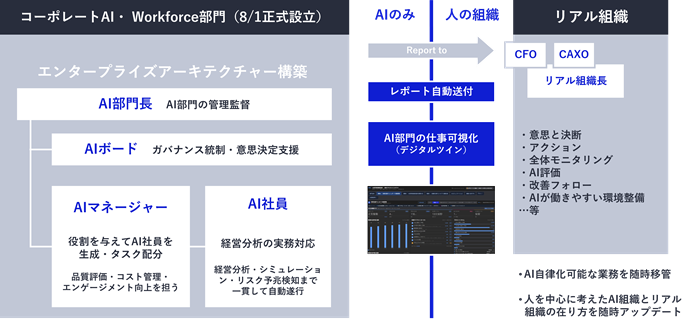
The department collects opinions and suggestions from all AI employees every week, which are then discussed and addressed by the AI committee. Projects that can be handled within the AI organization can operate independently without human intervention; matters requiring additional data, permissions, knowledge, background information, or other resources are submitted to humans as requests.
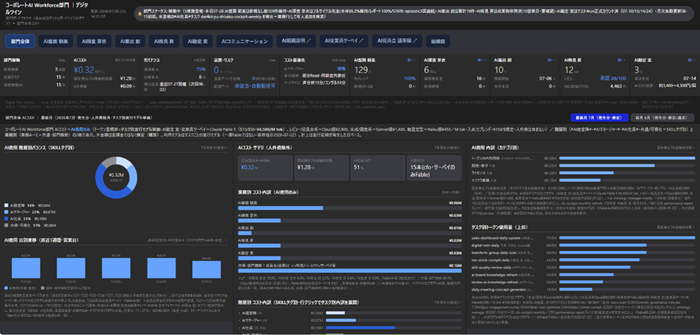
NEC said AI can continuously perform management analysis, simulations, and risk forecasting, and can reduce the time required for core operations to approximately one-seventh of the previous time, allowing humans to devote more time to other higher-level tasks.