

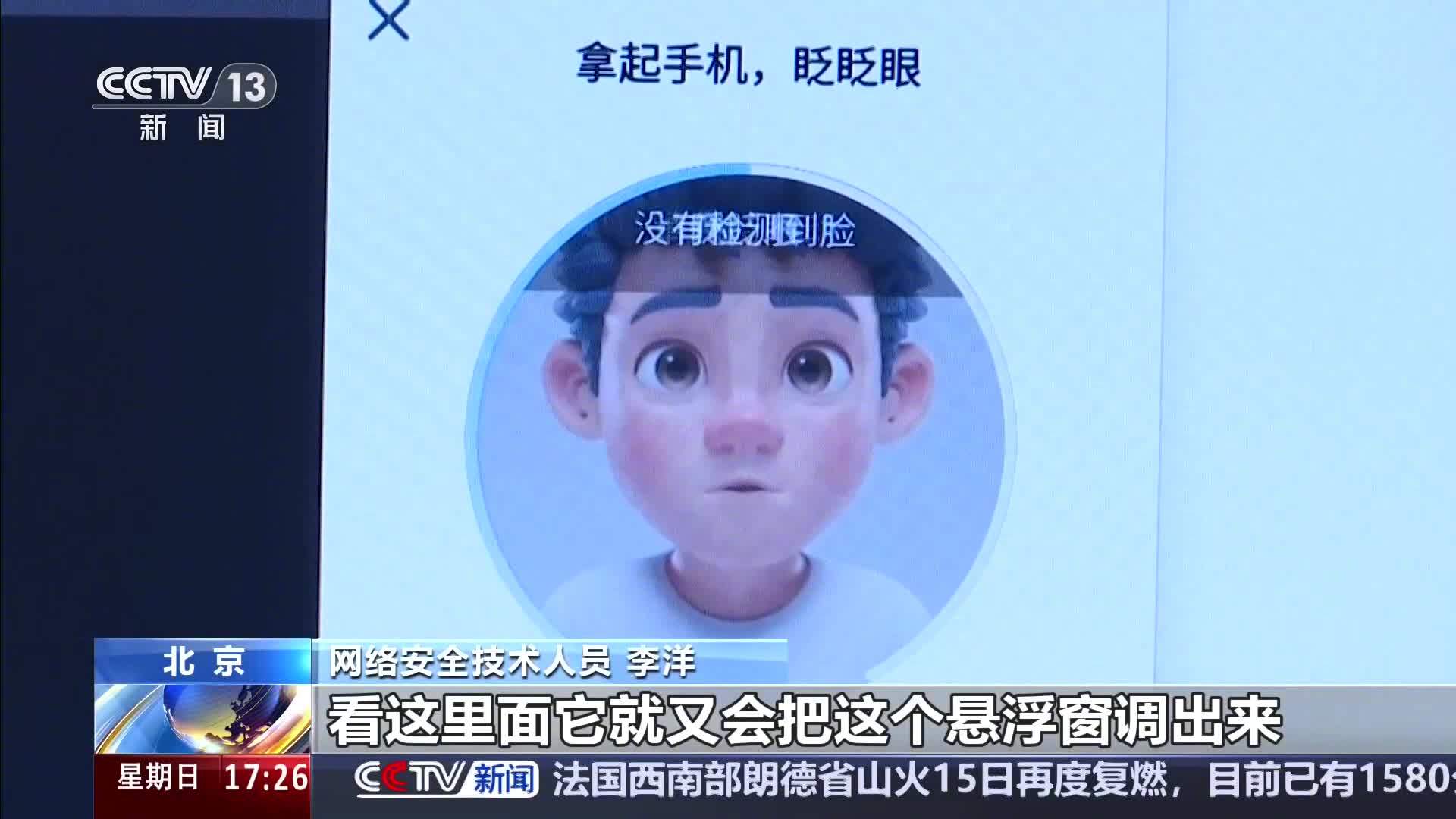
CCTV News today reported a bank fraud case involving AI face-forgery videos. A college student surnamed Wu purchased “AI face-forgery video” technology from an illegal website and stole over ¥50,000 from bank cards in less than four months.
Approaching graduation, Wu chose not to seek legitimate employment and instead turned his attention to the online black and gray market. Through an illegal third-party website, he purchased technology “capable of converting a static facial photo into an AI-generated video that could pass facial recognition verification on a bank’s payment platform.” Believing he had acquired a powerful tool, Wu immediately posted advertisements across various chat platforms to attract orders from fraud rings.

Wu then joined black- and gray-market group chats on an overseas messaging app and posted that he was accepting orders. His upstream contacts sent him victims’ names, ID numbers, mobile phone numbers, photos, payment-platform verification codes, and other information. He then used the phone numbers to check whether the victims were registered on third-party platforms. If they were, he converted their photos into AI-generated facial videos.
In this criminal chain, fraud rings typically posed as customer service representatives for short-video platforms or as gaming streamers. They lured victims with offers to cancel automatic charges or receive free in-game items, inducing them to download remote-control software and thereby obtaining their personal information. After receiving this information, Wu used AI technology on third-party websites to create animated facial videos of the victims.
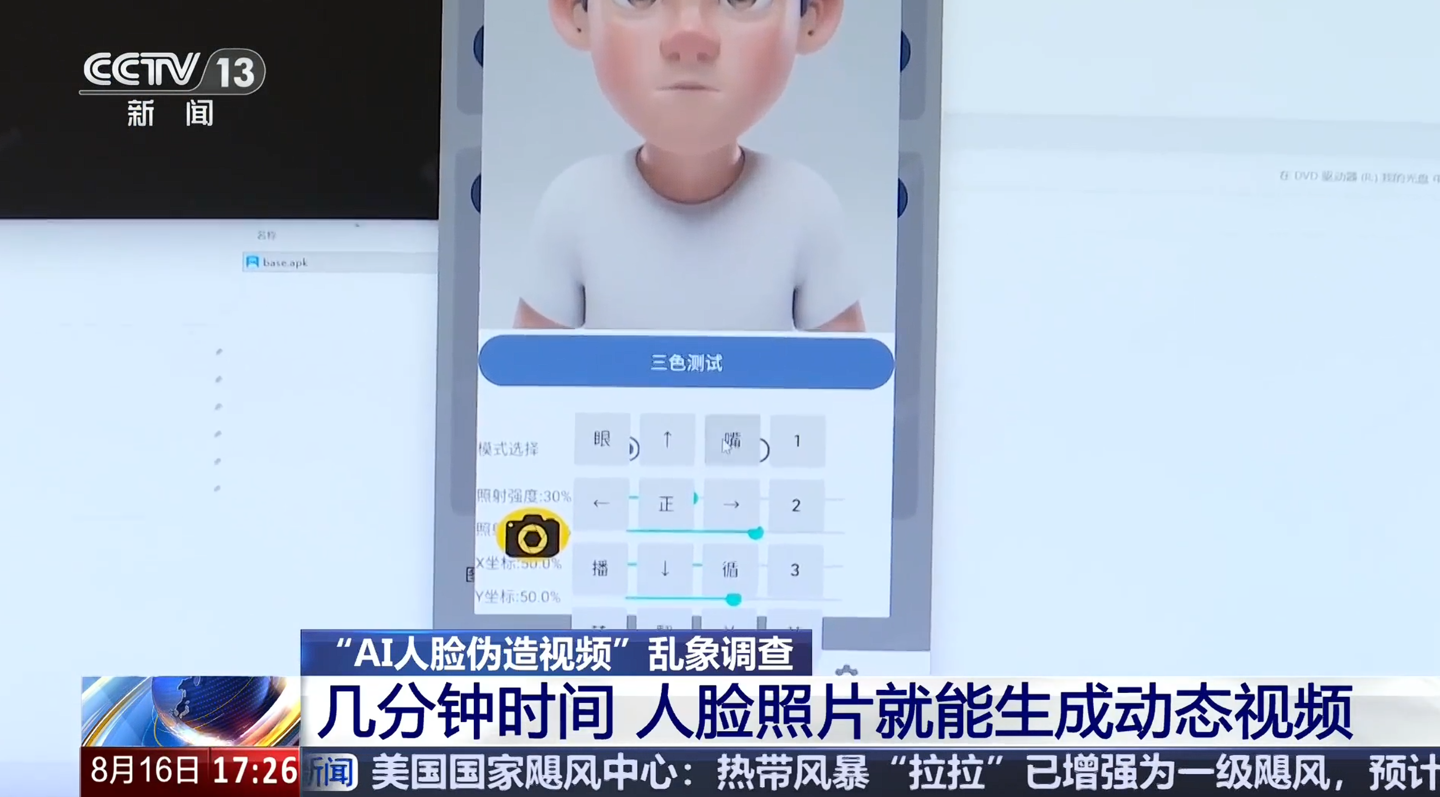
After the videos were completed, Wu’s team reset the victims’ payment passwords and sent their payment QR codes to a “money-laundering crew.” The crew scanned the codes to transfer funds from bank accounts linked to the victims’ third-party payment platforms. Once the transfers succeeded, the crew returned an agreed share of the stolen funds to the defendant in cryptocurrency.
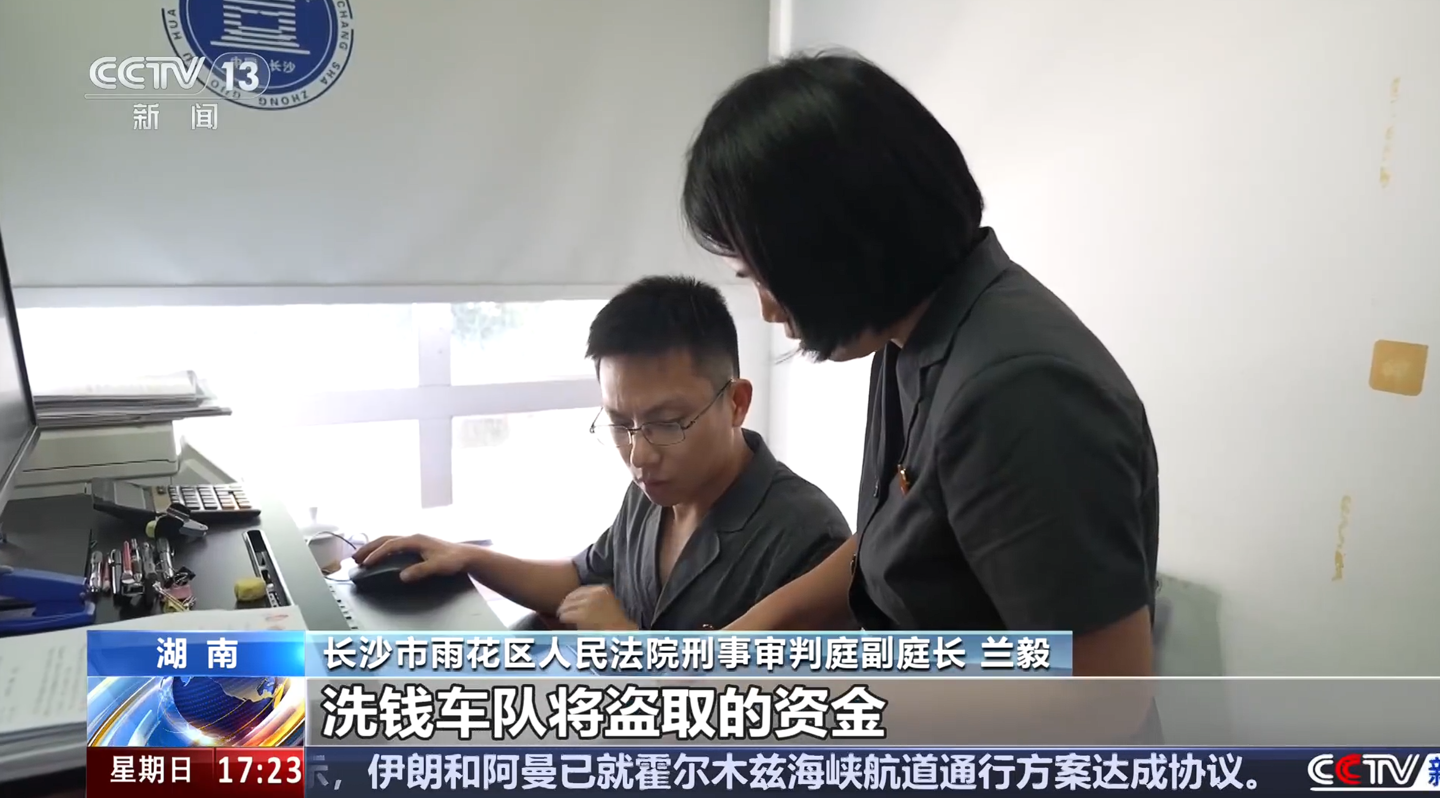
According to the judge, the criminal group Wu belonged to had an extremely clear division of labor. To prevent anyone at the upstream, midstream, or downstream stages from leaving the group and exploiting valuable information alone, new members were required to deposit a certain amount of cryptocurrency as collateral before they could accept orders in the group.
In less than four months, a total of over ¥50,000 was stolen from the bank accounts of three victims. After hearing the case, the People’s Court of Yuhua District, Changsha, Hunan Province, considered Wu’s voluntary surrender, admission of guilt and remorse, and financial compensation paid to the victims. It ultimately sentenced him to one year and ten months in prison and imposed a ¥3,000 fine. The judgment has now taken effect.
Advertising disclaimer: External links contained in this article, including but not limited to hyperlinks, QR codes, and access codes, are provided to convey additional information and reduce selection time. The results are for reference only. All IT Home articles containing external links include this disclaimer.