

Amazon is buying physical books in bulk, scanning their contents for AI training, and destroying the original books in the process.
On the 17th local time, 404 Media published a tracking investigation in which investigators hid an Apple AirTag inside a shipment of rare books and followed their journey across the United States.
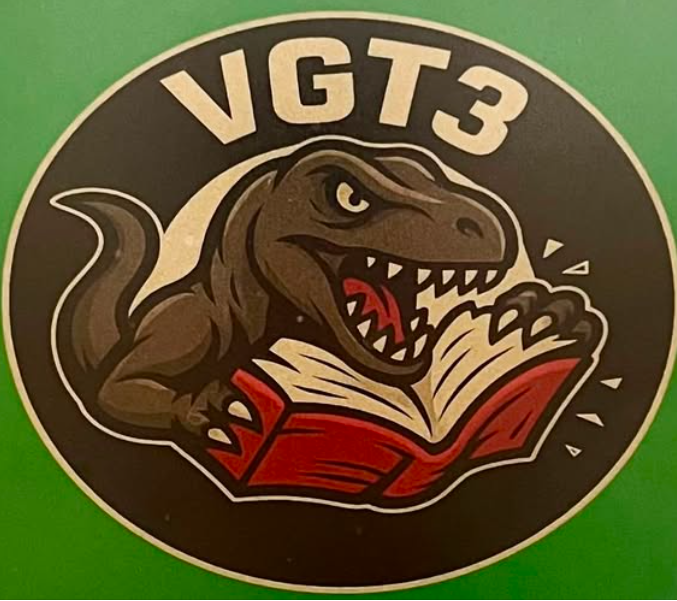
The shipment ultimately arrived at an Amazon warehouse in Las Vegas. The warehouse houses a team called VGT3, whose logo features a Tyrannosaurus rex holding a book. Employees said they first cut off the books’ spines to improve scanning efficiency, destroying the originals in the process. Amazon then uses the scanned data to train its Nova models. An Amazon spokesperson said the company purchases books through standard commercial channels to improve its products.
Some booksellers suspect that AI companies are attempting to systematically scan every published book, one by one, based on ISBNs. Physical books are especially valuable because much of their content has never appeared online, and many were published before 2022 and therefore contain no AI-generated material.
IT Home understands that Amazon is not the only company using this approach. Anthropic previously carried out a similar initiative. A lawsuit filed by book authors revealed Anthropic’s internal “Project Panama”: the company purchased books from e-commerce platforms, removed their spines, and digitized their contents.
The judge hearing the case ruled that this type of scanning constitutes fair use and does not infringe copyright. One basis for the ruling was that the physical originals had been destroyed, eliminating the possibility that the books could be copied and then resold.
Both Amazon and Anthropic are converting some rare books into proprietary corporate AI training materials. The controversy is that some of the destroyed originals may be irreplaceable. Knowledge that could have remained on public bookshelves disappears with them, ultimately becoming locked inside a single company’s closed AI models.