

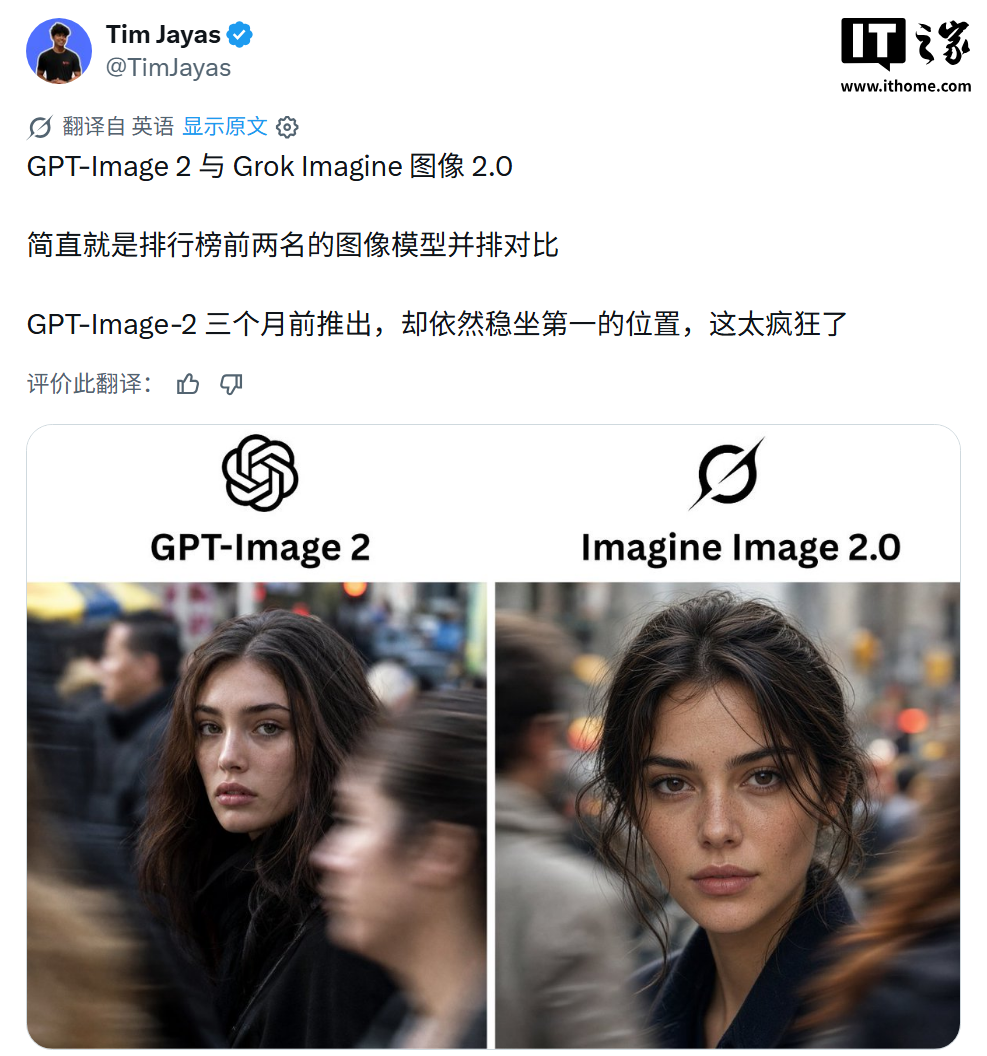
On August 9, an image generation model codenamed “mona-lisa-1” appeared in the blind-test list on AI Arena.
Tipster AiBattle said that after submitting images generated by the model to OpenAI’s official content verification tool, it detected origin signals associated with OpenAI. As a result, “mona-lisa-1” was identified as a next-generation GPT-Image model.
As of now, OpenAI has not issued any official announcement, product documentation, or public statement about the model, nor has it confirmed its specific relationship with existing products.
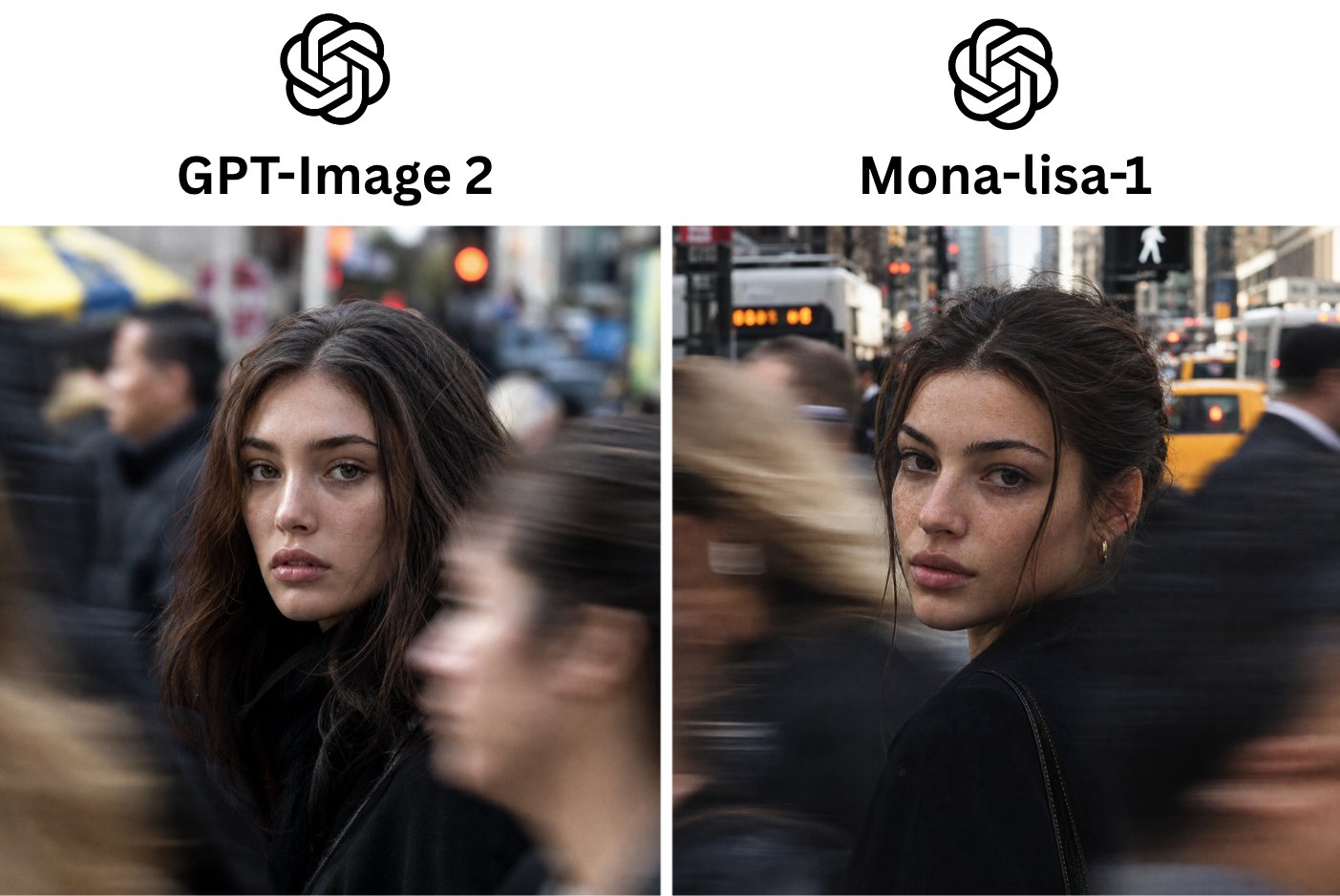
@TimJayas used the same prompts to compare the mysterious model with GPT-Image 2. The test results showed that “mona-lisa-1” delivered richer performance in some details.
According to feedback from multiple testers, the model currently appears only in LM Arena’s blind-testing process and has not yet been integrated into official product channels such as ChatGPT, the OpenAI API, or Codex. Some comparative tests showed that “mona-lisa-1” differs somewhat in realism, detail, and its ability to reduce the artificial look commonly seen in traditional AI-generated images. However, other tests indicated that some generated results still contained noise or artifacts.
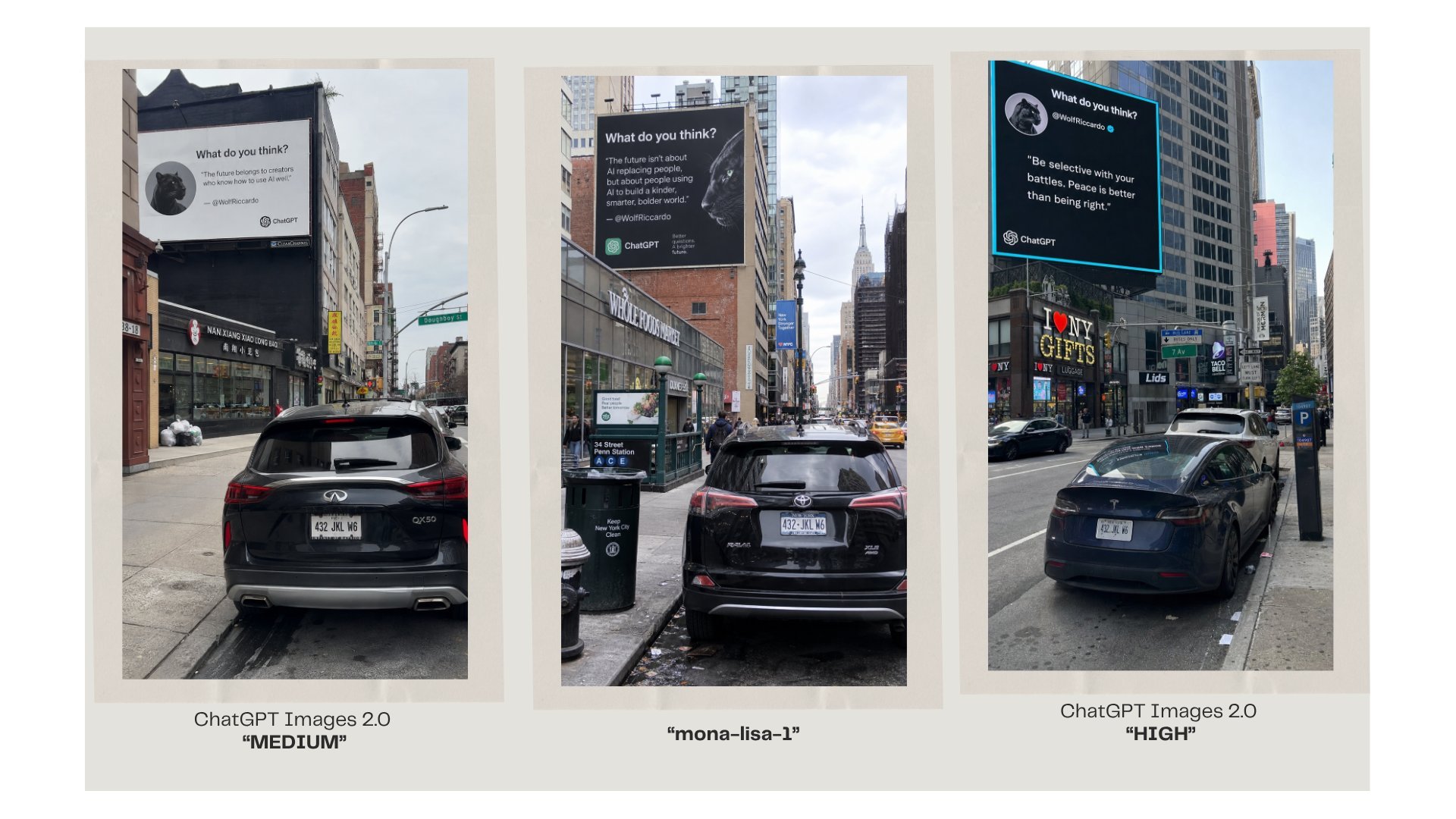
Before GPT-Image 2 was officially released, it also appeared on the Arena platform under an anonymous codename for blind testing. The specific technical architecture, training completion date, and plans for the official release of “mona-lisa-1” remain to be disclosed by OpenAI.
OpenAI’s official Verify page clearly states that the tool can check whether image or audio files contain content origin signals associated with OpenAI tools, including C2PA metadata and SynthID watermarks. It is primarily intended for content generated by ChatGPT, the OpenAI API, or Codex.
OpenAI also notes that detecting supported origin signals may indicate that the relevant content was generated or exported by an OpenAI tool, but the verification result itself cannot confirm which specific model was used. Therefore, it is not yet possible to confirm solely through origin signals such as SynthID that “mona-lisa-1” is the direct successor to GPT-Image 2.