

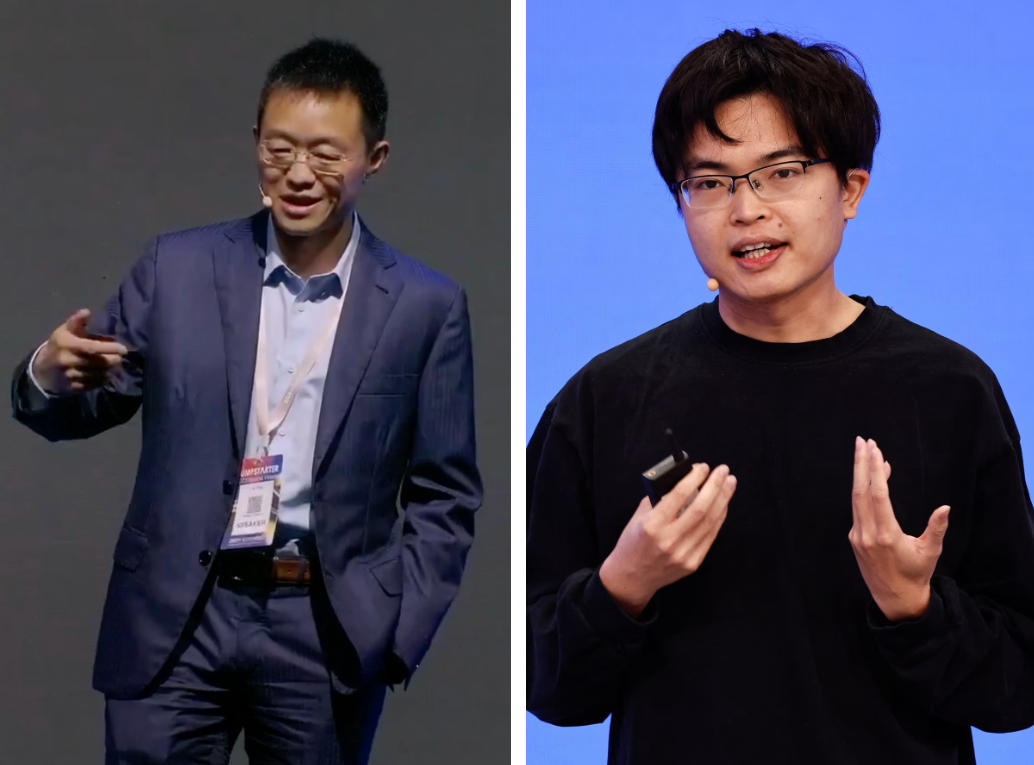
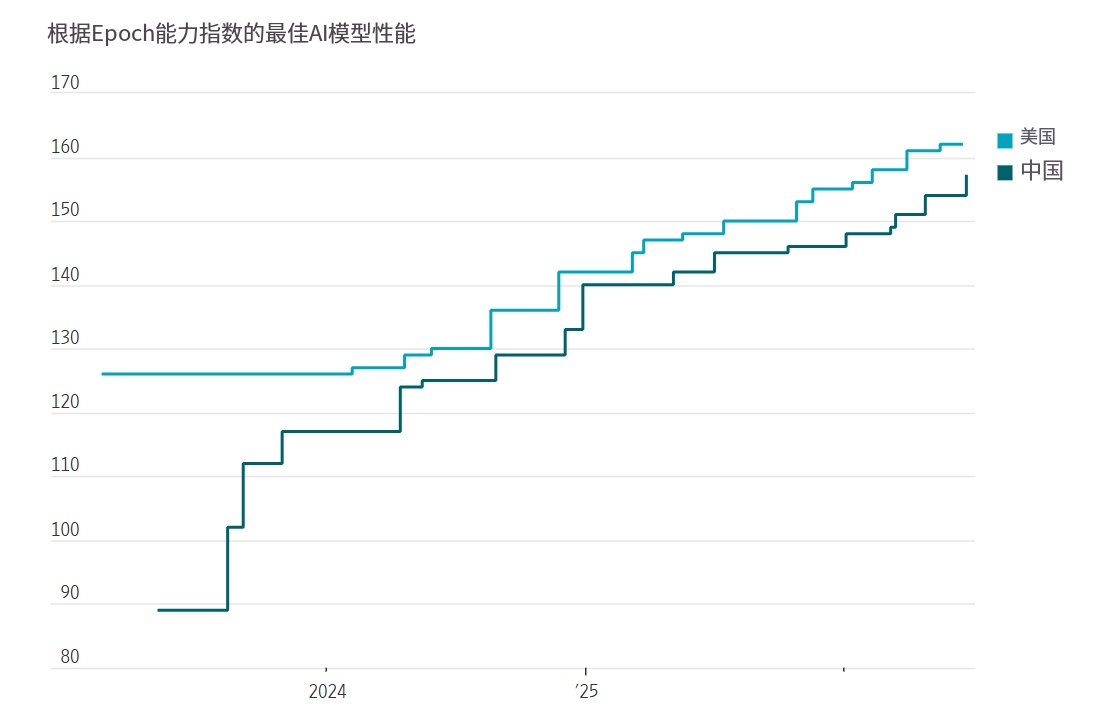
On August 25, The Wall Street Journal reported that Chinese AI models have rapidly narrowed the gap with leading U.S. models in recent years. This progress was not the result of a sudden, short-term technological breakthrough, but of the combined impact of talent networks built over many years at universities such as Tsinghua, open-source technology, the return of overseas talent, and greater computing efficiency. The report said that researchers including Tang Jie, co-founder of Zhipu AI; Yang Zhilin, founder of Moonshot AI; and Liang Wenfeng, founder of DeepSeek, represent an important force behind China's latest AI catch-up effort.
The Wall Street Journal said that industry figures in both China and the United States believe the capability gap between China's best AI models and the most advanced U.S. models has narrowed to several months. In June this year, Musk predicted that China would not catch up with Anthropic's top models until the first quarter of 2027. Tang Jie responded that it “won't take that long.”
The report traces the formation of China's AI talent system back more than 20 years. In 2005, Turing Award winner Yao Qizhi founded the “Yao Class” at Tsinghua University to train top computer science talent. At the same time, Tang Jie conducted long-term research on data mining and machine learning at Tsinghua, and his laboratory later became one of China's key sources of AI talent. Yang Zhilin was once a student of Tang's, researching machine learning algorithms at Tsinghua before pursuing a doctorate at Carnegie Mellon University. After returning to China, he founded Moonshot AI.

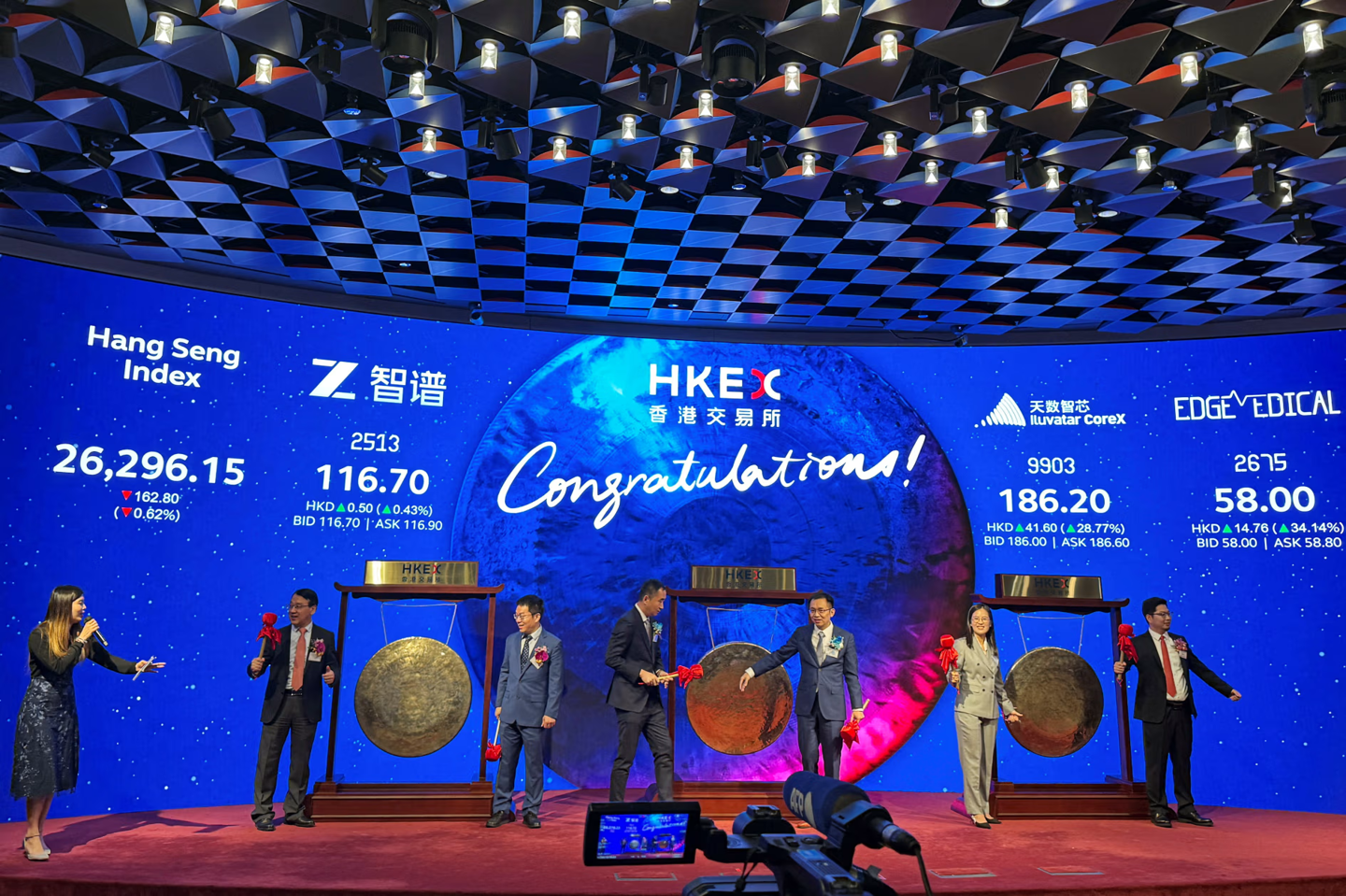
The movement of people between universities and startups gradually formed an AI talent network. In 2018, China further relaxed restrictions on researchers starting companies and commercializing research results. The following year, Tang Jie spun a company out of his Tsinghua laboratory that later developed into Zhipu AI. Shortly after OpenAI released GPT-3 in 2020, Zhipu set developing a model of comparable capability as its goal.
However, compared with U.S. AI companies, Chinese firms have long faced shortages of funding and advanced chips. Jefferies estimated that during the relevant period, Chinese technology companies invested less than one-fifth as much as their U.S. counterparts. Against this backdrop, improving computing efficiency became an important path for Chinese AI companies to catch up.
DeepSeek is a leading example. The report noted that DeepSeek used multi-head latent attention (MLA) to reduce memory consumption during model operation and was among the earlier companies in China to adopt mixture-of-experts (MoE) models, reducing their reliance on chip computing power. These technologies became an important foundation for the “DeepSeek shock” in early 2025. At the time, its low-cost open-source model rattled U.S. technology stocks and forced Chinese peers to reconsider their technical approaches.
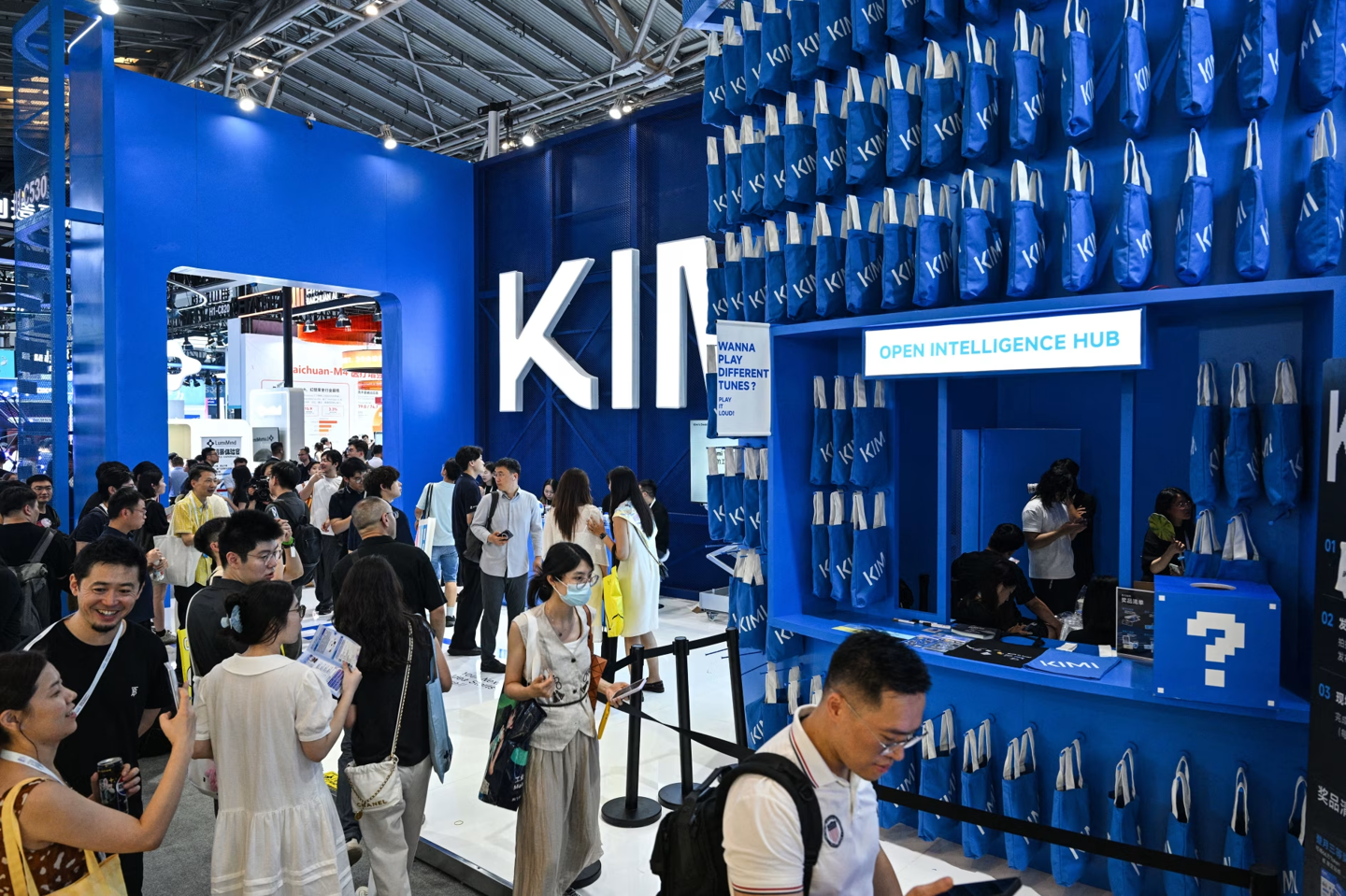
Technical exchange among Chinese AI companies has further accelerated the pace of iteration. Later models from Moonshot AI adopted MoE and MLA variants used or validated by DeepSeek, while DeepSeek also adopted training techniques optimized by Moonshot AI. Different teams learned from one another through papers, open-source models, and technical practice, creating a technology diffusion mechanism distinct from the closed-model approach.
At the same time, the return of talent has become another technological pathway. Tencent recruited two Tsinghua graduates who had worked at OpenAI, while ByteDance brought in Chinese researchers who had worked at Google. The report said that advances by U.S. AI companies, the return of overseas talent, and China's domestic research network have jointly accelerated the efforts of Chinese AI companies to catch up.
Computing power, however, remains a major constraint for Chinese AI companies. Liang Wenfeng said in May this year that chips, rather than talent, are the most critical difference between Chinese and U.S. AI companies. Researchers at leading laboratories including Alibaba and Zhipu said they often receive only one-fifth as many high-end chips as their counterparts at OpenAI and Google.