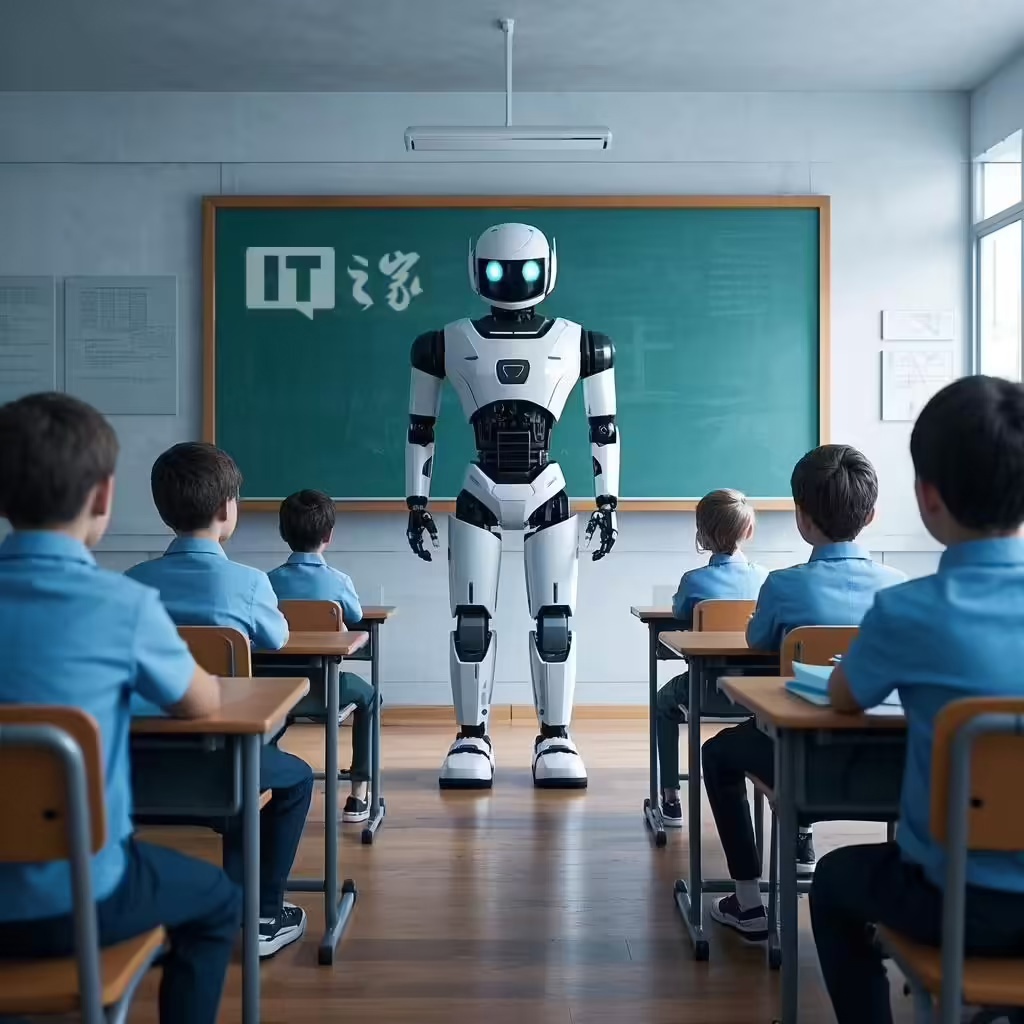

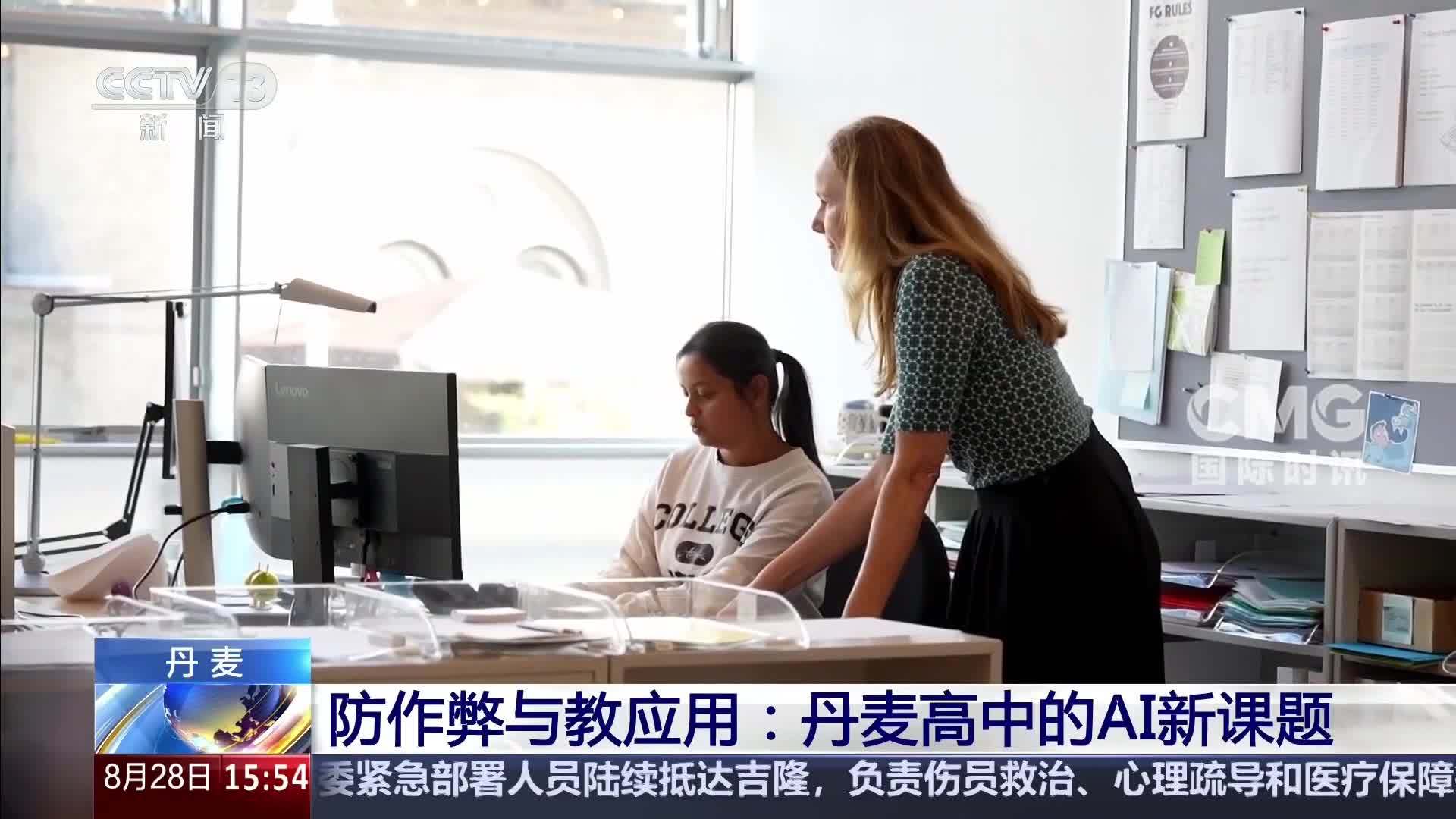
According to CCTV International News, cases of AI cheating increased significantly at several Danish high schools during this summer’s examination period. As generative artificial intelligence (AI) enters schools, students’ use of AI to complete assignments and even cheat on exams is creating new challenges for traditional education and examination systems.
In response, the Danish government recently launched an emergency plan to curb AI cheating by adding oral defenses and monitoring students’ computer screens during exams. Under the plan, about 9,000 students each year will be required to complete an oral defense in addition to a written subject assignment. The government also called for monitoring students’ computer screens during written exams and restricting access to unauthorized content through network filtering. In addition, it encouraged students to complete written assignments in controlled, on-campus environments.
Although the use of AI for “cheating” has created challenges for schools, schools, students, and parents all still believe that AI should not simply be “driven out of schools.” Instead, they believe more appropriate ways to use AI should be found.
Earlier this year, Australian universities also began accelerating changes to examination and assessment methods to preserve the credibility of their degrees while embracing oral examinations and in-person tests once again.
In addition, Seoul, South Korea, issued a public notice in June this year instructing primary and secondary schools and education authorities in the city’s districts to prohibit candidates from wearing AI smart glasses during final exams.