

In the view of Texas Governor Greg Abbott, the artificial intelligence industry is reaping what it has sown.
Abbott said on Sunday local time on ABC’s “This Week” that the sharp criticism of artificial intelligence data centers from Americans is justified.
“They are essentially digging their own grave by creating problems for themselves. That is why they are facing the backlash they deserve,” Abbott said.
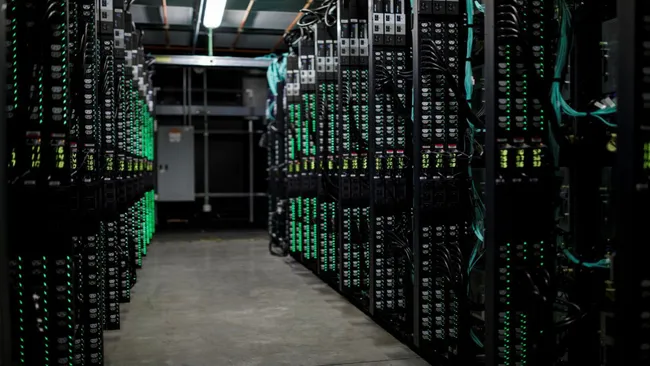
Technology companies rely on data centers to provide computing power for their artificial intelligence products, but their messaging about data centers has not resonated. Across the United States, Americans are organizing to oppose AI data centers. These facilities cost billions of dollars to build and occupy hundreds of acres. Many people are concerned about how these massive facilities will affect the environment, utility prices, water resources, and noise levels, while others simply dislike artificial intelligence.
Critics have packed local planning meetings, launched petitions, held protests, and even taken legal action to block construction. Surveys conducted this year by the Pew Research Center and Gallup show that a significant share of Americans oppose living near artificial intelligence data centers.
“Seventy percent of Americans oppose building artificial intelligence data centers in their local communities, including nearly half (48%) who strongly oppose them,” Gallup reported.
This is a difficult reality for conservative politicians like Abbott. Ahead of the midterm elections, he must balance the preferences of voters with those of President Donald Trump. The Trump administration is betting heavily on artificial intelligence, including by accelerating federal permitting and supporting the $500 billion (Note: approximately 3.37 trillion yuan at the current exchange rate) “Stargate” project led by OpenAI and Oracle. It is an ambitious plan to build hyperscale data centers across the United States.
Abbott was initially a staunch supporter of AI data center projects in Texas because of their economic benefits. These enormous server warehouses can create jobs during construction and generate tax revenue for local communities. However, Texans from Abilene to Sulphur Springs took a hard line against them, forcing Abbott to change his position.
Abbott has introduced new standards for AI data center projects in Texas, including directing the state Public Utility Commission and grid operators to protect residents from infrastructure costs. He has also proposed banning data center development in rural Texas and requiring projects to undergo audits before moving forward.
Earlier this month, Abbott said his administration had halted approximately 1,800 artificial intelligence data center projects in the state.
In his ABC interview, Abbott offered several views on why data centers are facing so much resistance. One was that they are being built and brought online too quickly. Another was that data center developers had not secured the support of local residents before advancing their projects. “Gaining the support of people in the local community is essential,” Abbott said.