
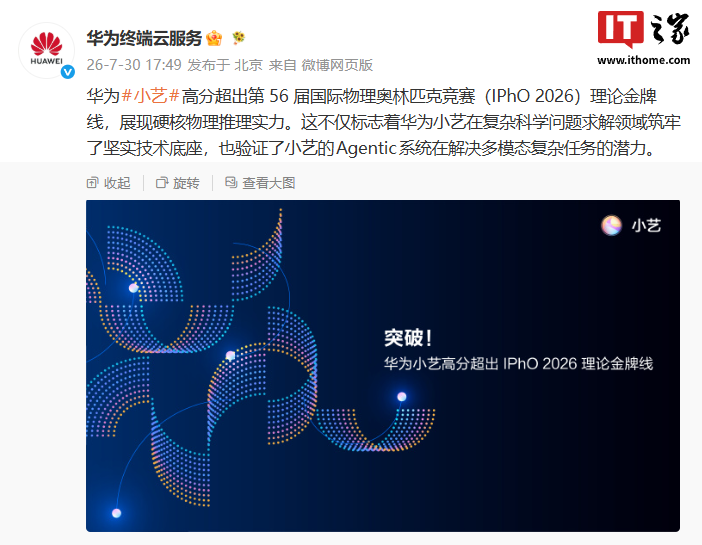
The 56th International Physics Olympiad (IPhO 2026) recently concluded. Huawei officially announced today that Xiaoyi scored 28.6 points out of 30 in the theoretical examination, surpassing the gold medal cutoff.
Publicly available information shows that the International Physics Olympiad (IPhO) theoretical examination is known for its complex models, lengthy derivations, and strong emphasis on comprehensive skills, with no formulaic approach that can be directly applied.
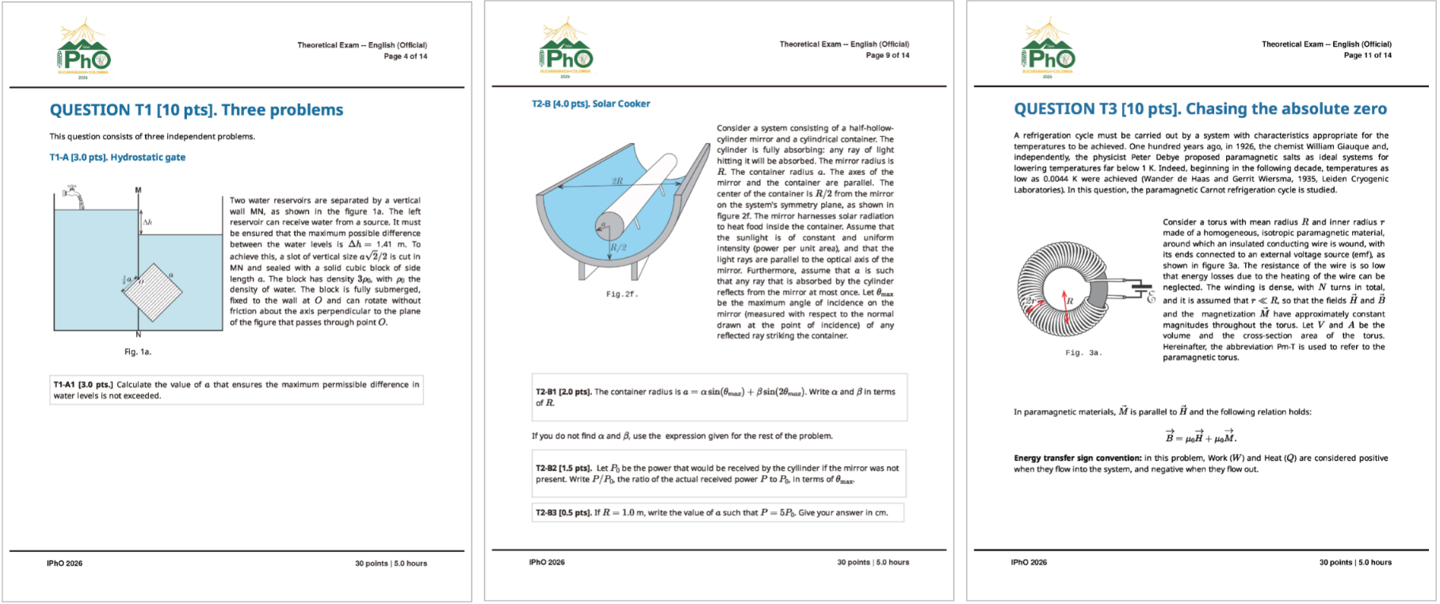
The three theoretical problems this year covered fluid statics torque equilibrium and relativistic scattering; multiple reflections in optics and the derivation of a vignetting-line envelope, including Taylor expansion; and the proof of Maxwell relations in a magnetic refrigeration cycle, along with integral calculations for cooling time. Problems of this kind remain highly challenging even for top physics students.
Huawei officially stated that this not only marks the establishment of a solid technical foundation for Huawei Xiaoyi in solving complex scientific problems, but also validates the potential of Xiaoyi's Agentic system in addressing complex multimodal tasks.
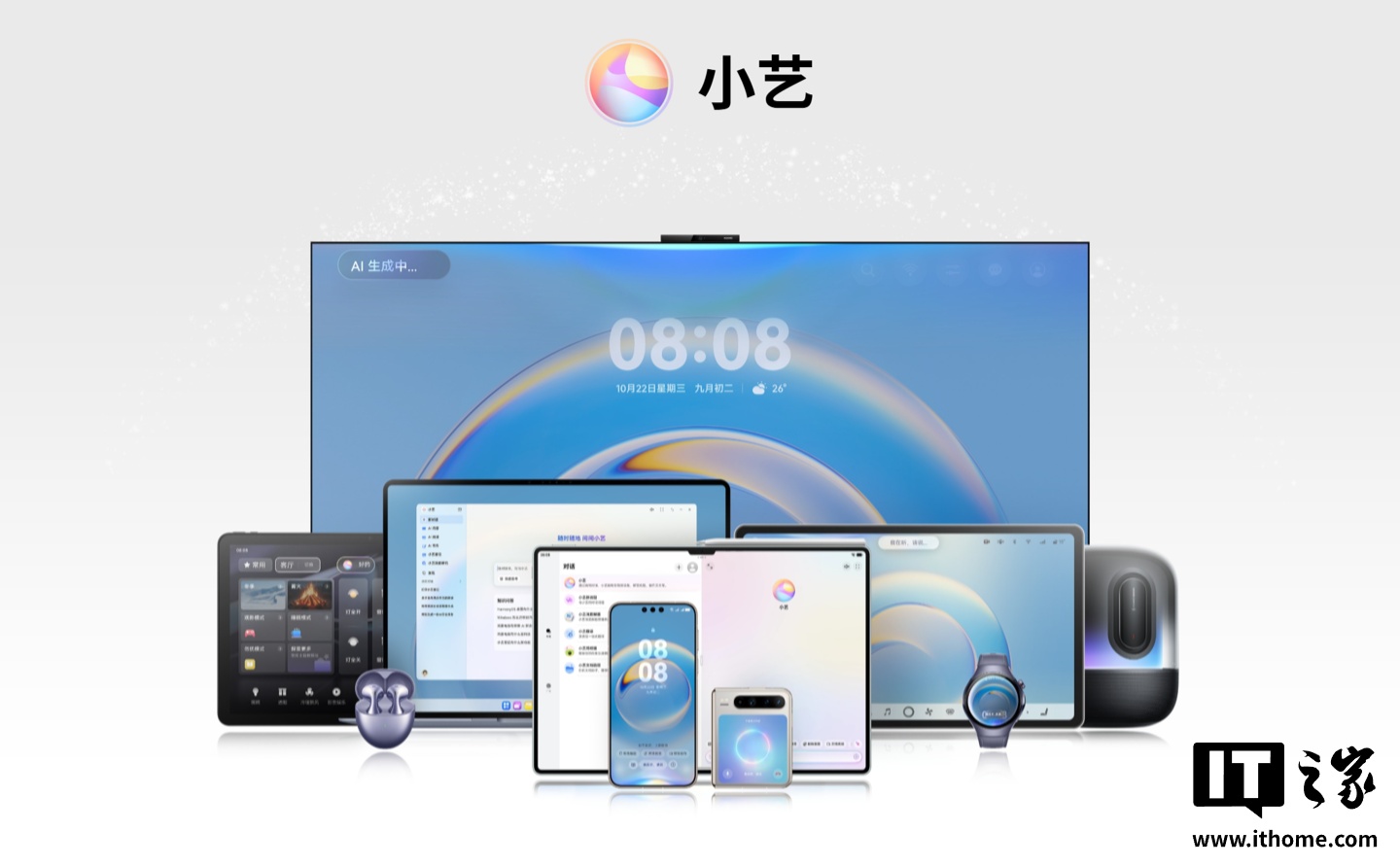
Note: Xiaoyi is an AI smart assistant independently developed by Huawei. Based on the latest artificial intelligence technologies, it provides AI knowledge Q&A, AI writing, AI document reading, a document assistant, a coding assistant, HarmonyOS code generation, and other functions. Xiaoyi currently supports use on the web, phones, tablets, watches, smart screens, in-vehicle systems, home control centers, PCs, earphones, and speakers.
In June this year, Huawei Xiaoyi Claw gained access to the open-source Pangu openPangu 2.0 Pro model, which can particularly improve system-level task execution capabilities in HarmonyOS. According to reports, the openPangu 2.0 model is better optimized for Ascend computing power, with single-card throughput reaching twice that of other leading open-source models in the industry.