

According to a report by Business Insider today (the 18th), cleaning up after others has always been part of the job for Walmart retail employees: wiping dust from shelves, cleaning up spilled liquids, and removing stains from display cases. Recently, AI agents’ mistakes have also been added to the list of things they need to correct.
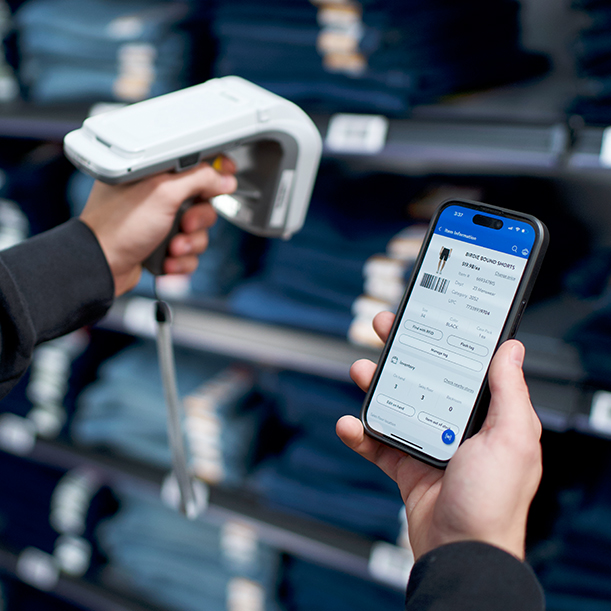
To drive business growth, Walmart is investing heavily in AI and providing new tools and training to thousands of frontline employees. Adopting any new process requires a learning curve, but Walmart’s latest AI rollout has a special feature: the AI agents themselves also need training to improve their accuracy.
Walmart’s AI rollout has also exposed some of the challenges involved in implementing new technology. Employees often need to spend time training the software, providing AI agents with work context and human judgment they do not understand.
Walmart employees have begun sharing information about their experiences and expressing dissatisfaction on social media. Dozens of posts and hundreds of comments from users claiming to be Walmart employees have appeared on Reddit, discussing issues ranging from confusing safety alerts issued by AI to how the system measures employee performance.
A store human resources manager responsible for onboarding, training, and scheduling new employees complained about the demands that task-assignment AI places on workers: “The system simply assumes they should perform perfectly every time.”
An e-commerce fulfillment employee said they have consistently been unable to pick ordinary merchandise orders at the speed required by the AI application, partly because of the store routes planned by AI. “It makes you run all over the store. I almost never meet the estimated times those routes provide. It’s simply impossible.”
Drivers for Walmart’s Spark delivery service also reported that the newly introduced Smart Path feature sometimes requires them to pick up frozen items such as frozen meals and bagged ice at the very beginning of their shopping trip rather than leaving them until the end, giving the items more time to thaw. One driver said this consumes extra time and effort that could otherwise be spent on the next order.
Another AI agent responsible for monitoring store safety has also confused some employees: the system is still learning how to interpret data from security cameras and sensors throughout the stores. One employee said that whenever she opened the Walmart app on her personal phone to clock in or out, she received a large number of safety alerts from other departments.
These alerts were originally intended to prompt employees to address potential problems, such as cleaning up spills on the floor or handling refrigerators whose temperatures exceeded safe limits. In practice, the system often still requires employees to correct its judgments or provide context for situations it has identified as risks.
In July this year, Brooks Forrest, Walmart’s vice president of employee tools, said that individual stores could decide for themselves how best to use these tools. “We will not penalize employees for failing to follow the guidance provided by the technology system … Technology is intended to help employees, but they themselves ultimately decide what to do.”