

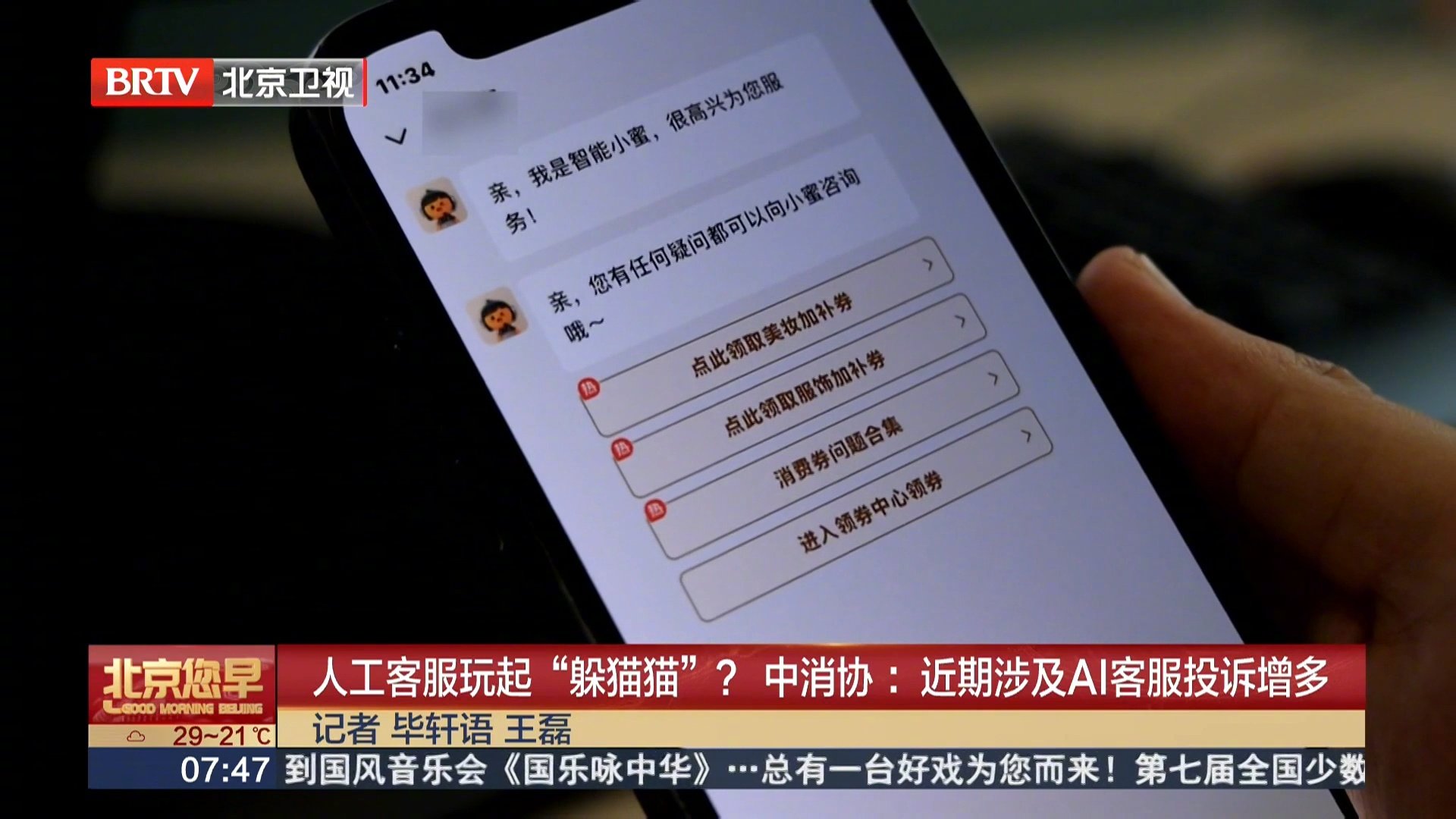
The China Consumers Association (CCA) said in a report released this month (August 5) that complaints about AI customer service have risen significantly. On some platforms, human agents are so difficult to reach that consumers have described the experience as a game of “hide-and-seek.”
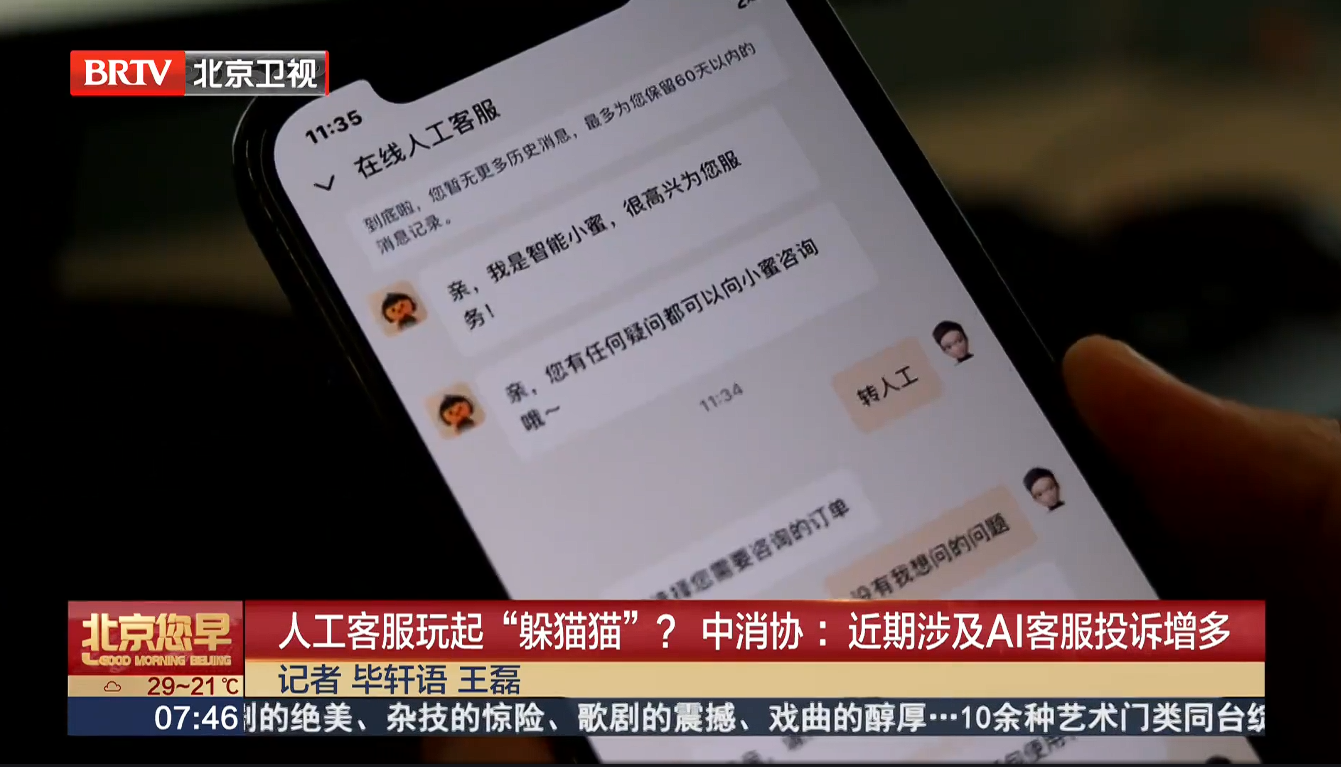
According to a recent test by Beijing Satellite TV, a reporter called the customer service hotline of a short-video platform and found that the AI agent repeatedly said human agents were busy. The system did not begin transferring the call until the reporter requested a human agent four times. It took nearly six minutes from placing the call to actually reaching a human representative.
Meanwhile, some platforms’ AI customer service systems use repetitive responses and multi-layered redirects to prevent consumers from reaching human support, leaving issues unresolved in a timely manner.
AI customer service agents also sometimes make explicit promises regarding fee structures, promotional offers, and other matters. After consumers make purchasing decisions based on these promises, businesses may refuse to honor them, arguing that AI responses do not represent the company’s position and that algorithmically generated content has no legal effect, leading to disputes.
In its “Analysis of Complaints Handled by Consumer Associations Nationwide in the First Half of 2026,” the CCA noted that complaints involving AI customer service or general-purpose AI have increased recently. The main issues reported by consumers include false promises by AI agents, difficulty reaching human customer service, and inaccurate generated content.
Article 20 of the Law on the Protection of Consumer Rights and Interests stipulates that information provided by businesses to consumers concerning the quality, performance, uses, and validity periods of goods or services must be truthful and comprehensive, and must not include false or misleading claims.
Although AI customer service systems deployed by businesses do not independently qualify as entities capable of bearing civil legal liability, they are important tools deployed and used by businesses in their service operations, and their outputs form part of the services provided by those businesses. Businesses offering AI customer service should also establish accessible and convenient mechanisms for transferring consumers to human agents.
In addition, responses from third-party general-purpose AI systems generally cannot represent official commitments by platforms or merchants. When using third-party general-purpose AI to inquire about key transaction details, consumers should always verify the information through the business’s official website, official customer service channels, or other authoritative sources to avoid unnecessary financial losses caused by relying on third-party AI responses.
Advertising disclaimer: External links contained in this article, including but not limited to hyperlinks, QR codes, and access codes, are intended to provide additional information and reduce the time required to make selections. Results are for reference only. All IT Home articles containing external links include this disclaimer.