

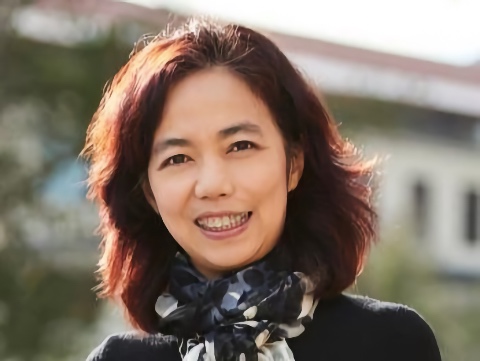
According to a Bloomberg report published this evening (the 19th), “AI Godmother” Fei-Fei Li believes that technology professionals, including herself, need to do a better job explaining to the public what value artificial intelligence can bring. She also warned that growing opposition to AI in American society could pose risks to the world.
In an interview, Li said: “America’s influence on the world is extremely important. If we cannot demonstrate a positive attitude toward AI or point the way toward positive development, ultimately everyone will suffer.”
She further noted that the United States should become a “role model” and demonstrate to the world that AI can create “tremendous economic value.”
Over the past year, resistance to AI data centers has increased significantly in many parts of the United States, with disputes focusing mainly on the data centers’ consumption of water and energy. A Pew Research Center survey found that as AI becomes increasingly integrated into daily life, half of Americans are more concerned about this trend than they are hopeful. In contrast, many countries in Asia have a more positive attitude toward AI.
Li believes this phenomenon is related to the high level of importance placed on AI in those countries from the basic education stage onward. “In addition to being a scientist, I am also an educator and scholar, so sometimes I reflect on the fact that we have not communicated well with the public in the past.”
Li’s research laid the groundwork for many breakthroughs in modern AI technology. The academic project ImageNet, which she helped create, contains millions of images and drove major advances in computers’ ability to recognize objects in images.
Later, Li founded World Labs, focusing on developing what are known as “world models.” These AI models are designed to understand the three-dimensional world and navigate and make decisions within it autonomously. In February this year, World Labs completed a $1 billion financing round (note: equivalent to approximately 6.757 billion yuan at the current exchange rate). She believes the technology developed by World Labs could eventually be applied in fields including robotics, medicine, and education.