

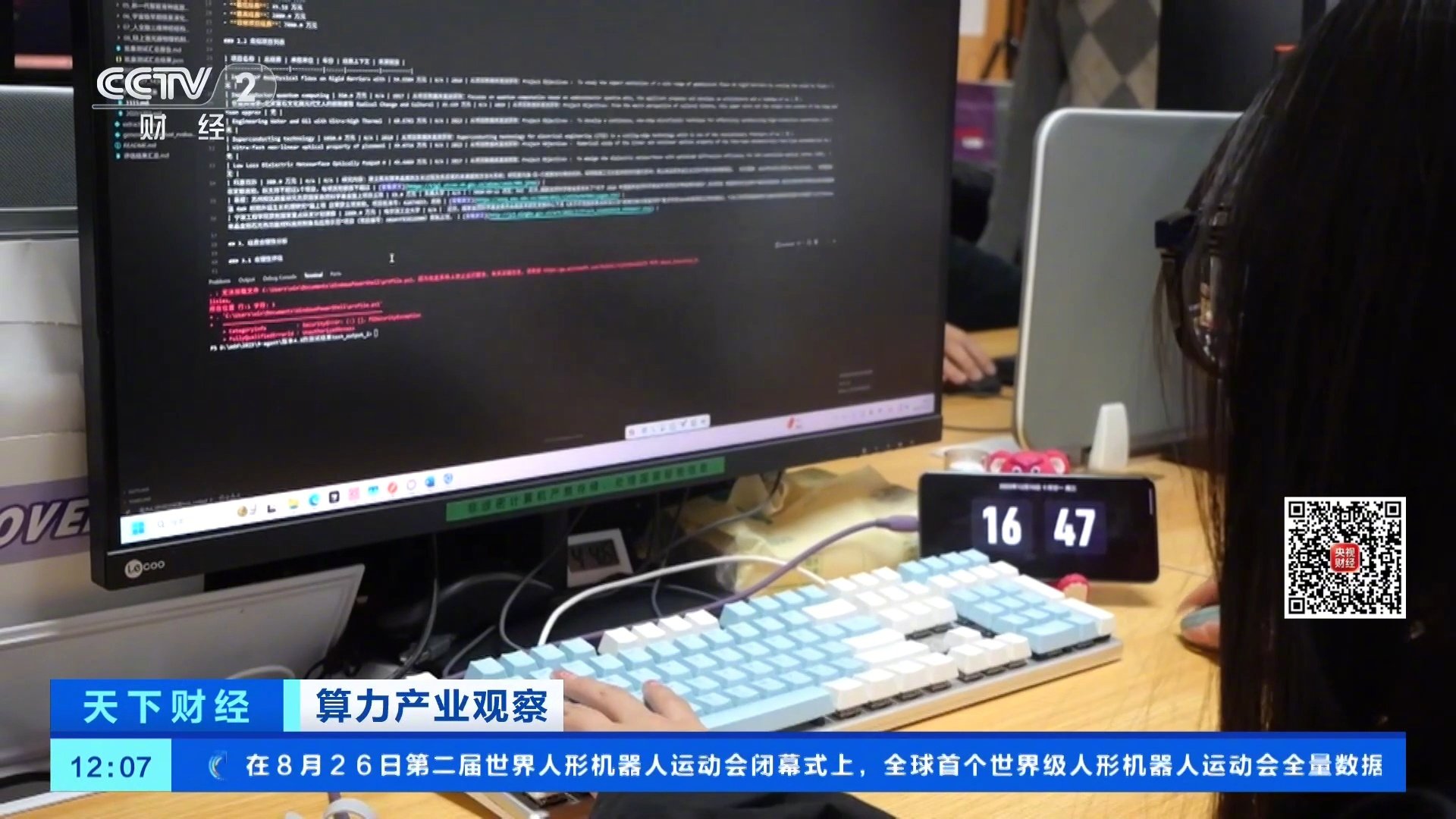
According to a report from CCTV today, as AI applications are rapidly deployed, China’s average daily token usage surpassed 500 trillion as of June 2026. Behind the rapid growth in token volume, competition among large models worldwide has reached fever pitch, while demand for computing power is growing explosively.
According to CCTV Finance, global large models are currently in the most fiercely competitive and fastest-iterating phase, while Chinese large models have secured a top-tier position in global competition. Industry insiders say leading AI models are now updated almost monthly, with the focus of competition shifting from model intelligence alone to a comprehensive contest involving agent deployment and ecosystem development.
Feng Wen, chief architect of the Open Platform at Xiyu Technology, said that in the second half of 2025, companies hoped to iterate their models once every three months. Today, a new model must be released every four to six weeks.
Major companies continue to increase training investment, while model parameter counts and context windows keep expanding. It is worth noting that AI is moving from “being able to chat” to “being able to get things done,” and agents are beginning to scale up in real-world deployments. A single task may require repeated retrieval, context reading, tool calls, and multiple rounds of feedback, causing demand for inference compute to surge.
Liu Feng, general manager of Tencent’s Smart Industries division, said that during the first week after the official release of Hunyuan 3, its token usage was 68 times that of the previous-generation Hunyuan 2 model.
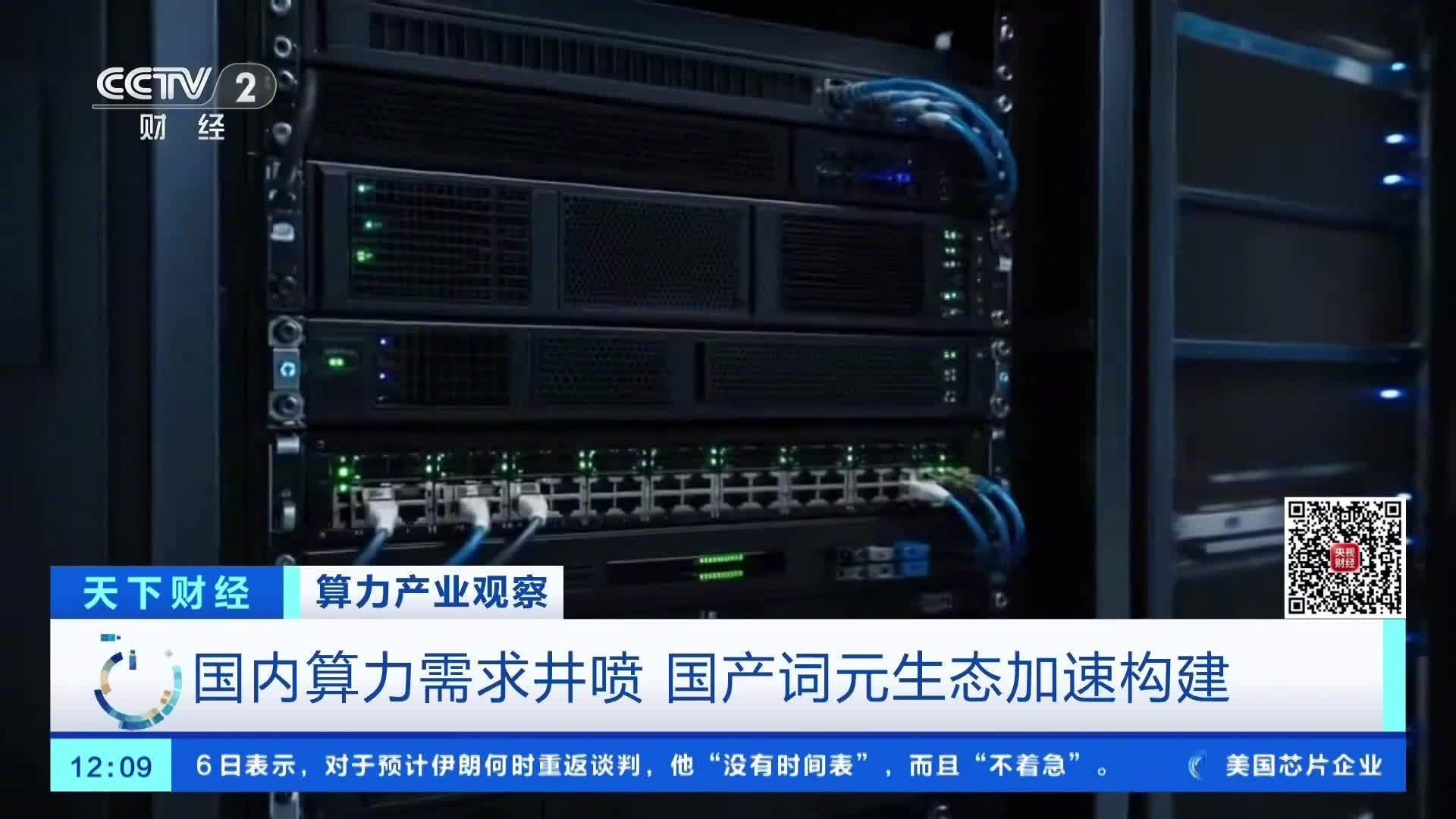
To compete for computing resources, major internet companies are accelerating the development of AI intelligent computing centers and signing long-term cooperation agreements to secure resources.
Zheng Zihao, general manager of the AI Computing Center at Envision Technology Group, said construction of AI intelligent computing centers is expanding explosively, driven by long-term, stable order commitments from users. Domestic demand for computing power is surging, and many regions are accelerating the development of domestic token factories and integrated intelligent computing complexes, moving the domestic computing industry chain from “product validation” toward “volume delivery.”