

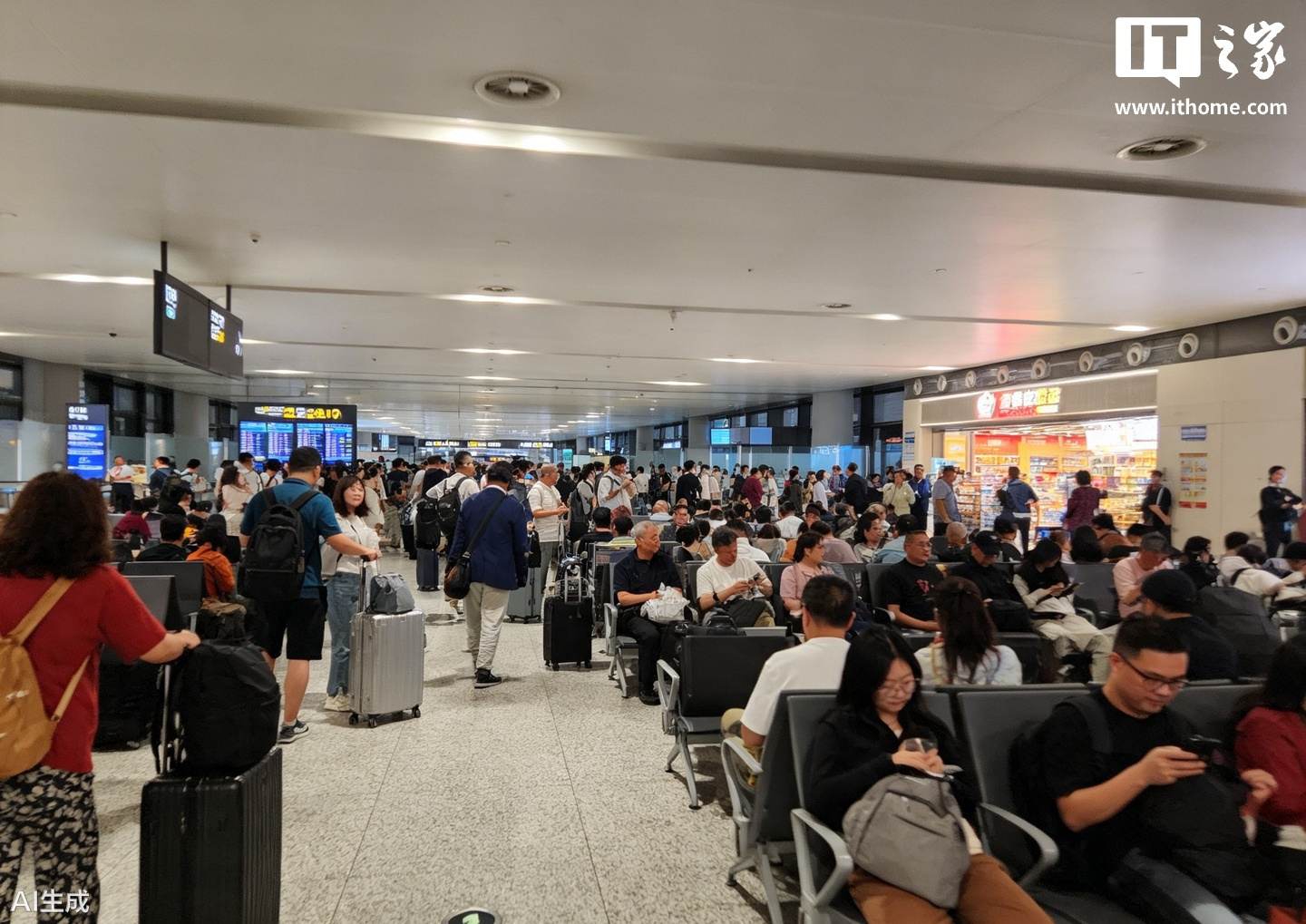
Travelers who enjoy searching the world for cheap flights may be disappointed: the chance of unexpectedly finding a bargain on a popular flight could soon become increasingly rare.
In the past, airlines mainly relied on analysts to establish fixed pricing rules—for example, raising fares across the board by 20% after a quarter of a flight's seats had been sold. With AI in use, airlines can analyze dozens of factors in real time and adjust the price of each seat more quickly. As a result, airlines can generate more revenue, while the pricing gaps that once gave travelers opportunities to buy low-cost tickets will gradually narrow.
According to a Bloomberg report today (the 30th), amid continuously rising operating costs, airlines such as Delta Air Lines and Virgin Atlantic are accelerating the adoption of AI pricing technology in an effort to increase revenue from each flight. Low-priced seats on busy routes could become even scarcer, as airlines seek to avoid selling tickets below what passengers are willing to pay while bringing more flights closer to full capacity.
The era when airfares were determined by fixed rules and spreadsheets is coming to an end. Predictive models will continuously assess market demand and adjust prices at any time.
Brian Terry, an analyst at Alton Aviation Consultancy, believes consumers need to be prepared for airlines to become more sophisticated in their pricing. Airlines will raise prices when conditions allow and lower them when they need to stimulate demand. AI can help airlines assess the market earlier, more clearly, and more accurately, allowing them to adjust fares upward or downward with greater flexibility.
However, AI will not only drive fares higher. Terry said that on flights with fewer passengers and routes with weaker demand, airlines may also use AI to proactively lower prices to attract more passengers and reduce empty seats. As a result, fares during the off-season or outside peak periods could become cheaper. However, he also believes that for airlines, AI pricing is the “ultimate secret formula.” In the current operating environment, increasing revenue is much easier than cutting costs. To find more sources of revenue, airlines will continue to push the boundaries of existing pricing methods.
Aviation analyst Guy Leitch said airlines have long used dynamic pricing, adjusting fares as demand changes. In the AI era, AI allows the entire system to operate faster and make more precise assessments. Machine-learning models can combine historical booking patterns, remaining seat capacity, and seasonal changes to forecast demand, while continuously monitoring competitors’ fares and capacity and making adjustments in near real time.
Whether AI pricing will benefit passengers or leave them bearing higher costs remains unsettled. Leitch said: “Improved market efficiency can also benefit passengers. As long as they reasonably choose when to book or purchase early, passengers still have opportunities to obtain fares below the average.”
Critics argue that profit margins in the airline industry are limited, and airlines will inevitably use more powerful pricing tools to raise average fares, load factors, and overall revenue.
AI can continue extracting value from a seat even after a ticket has been sold. For example, a passenger may buy a ticket on a popular flight at a low price several months in advance, only for market demand to surge shortly before departure. The AI platform operated by intelligent-operations company Volantio can read an airline’s booking data and identify passengers who may be willing to accept a voucher and switch to a less crowded flight.
Once the original seat is freed up, the airline can resell it for 1000 US dollars (note: approximately 6774 yuan at the current exchange rate) to a business traveler making a last-minute trip, generating higher revenue from the same seat.
Azim Barodawala, co-founder and CEO of Volantio, said this allows airlines to generate more revenue while also compensating passengers who are willing to adjust their itineraries.
The expanding use of AI in airline pricing has also made “surveillance pricing” a new focus of controversy. Consumer-rights advocates and US lawmakers warned last year that airlines could eventually use generative AI to analyze personal information such as browsing history and income, and offer different prices to different passengers purchasing the same seat.