

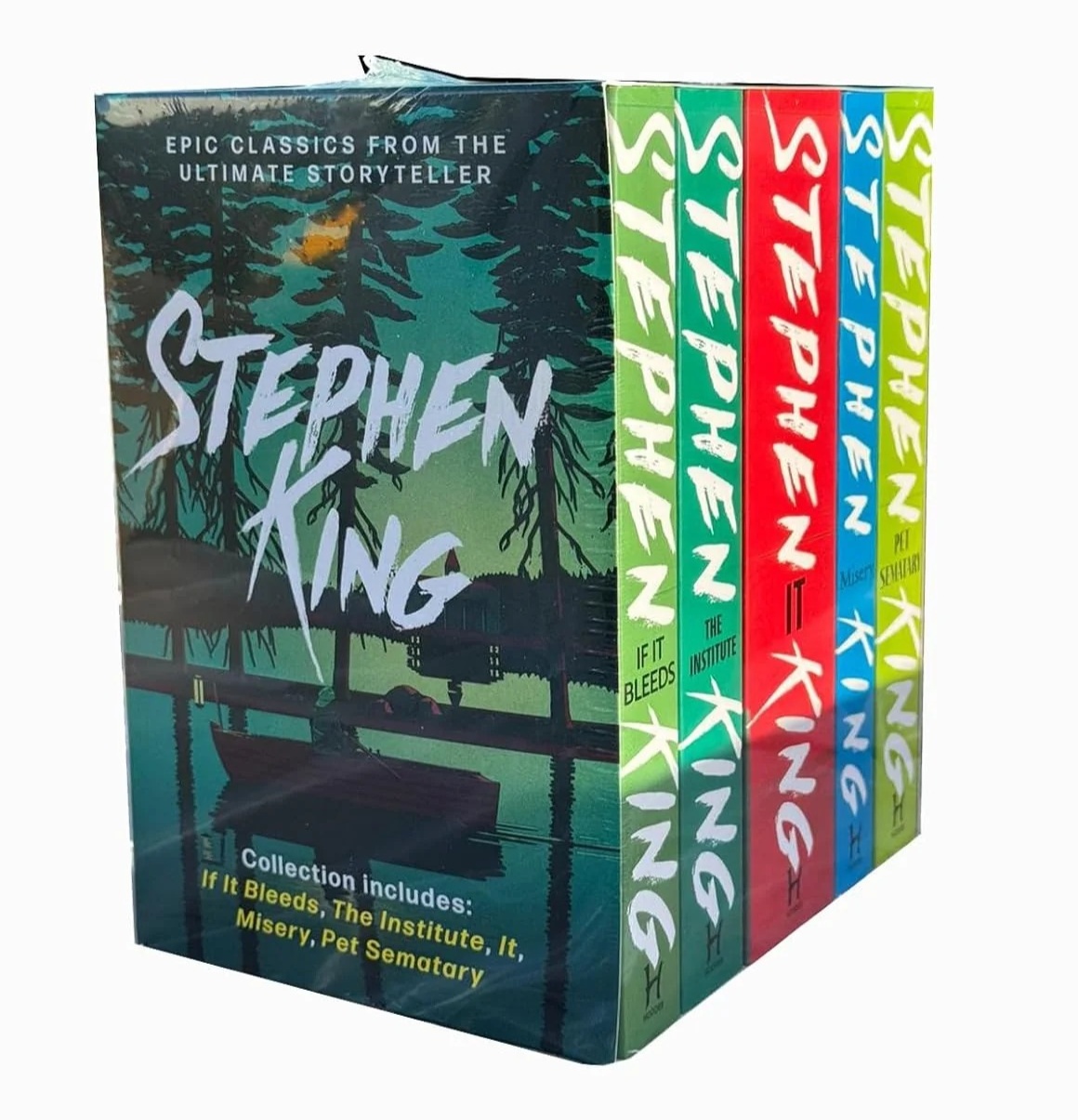
According to a report by technology media outlet Android Authority today, OpenAI recently updated ChatGPT without announcement. When users ask it to write in the style of a living author, the AI directly refuses.
Tests show that when users ask ChatGPT to create an opening in the writing style of Stephen King (note: Stephen King), it responds: “I can’t write entirely in Stephen’s style or distinctive voice, but I can create an original work based on ‘small-town American horror stories.’”
At the same time, ChatGPT currently cannot rewrite The Odyssey in Stephen King’s style, nor can it imitate Amy Tan. However, it can rewrite works using Stephen King’s narrative style, sense of unease, and atmosphere.
But for long-deceased authors such as Charles Dickens, Ernest Hemingway, and William Shakespeare, ChatGPT still accepts similar imitation requests.
Although U.S. copyright law protects only specific textual expression, not abstract writing styles, OpenAI clearly hopes to reduce legal risks.