

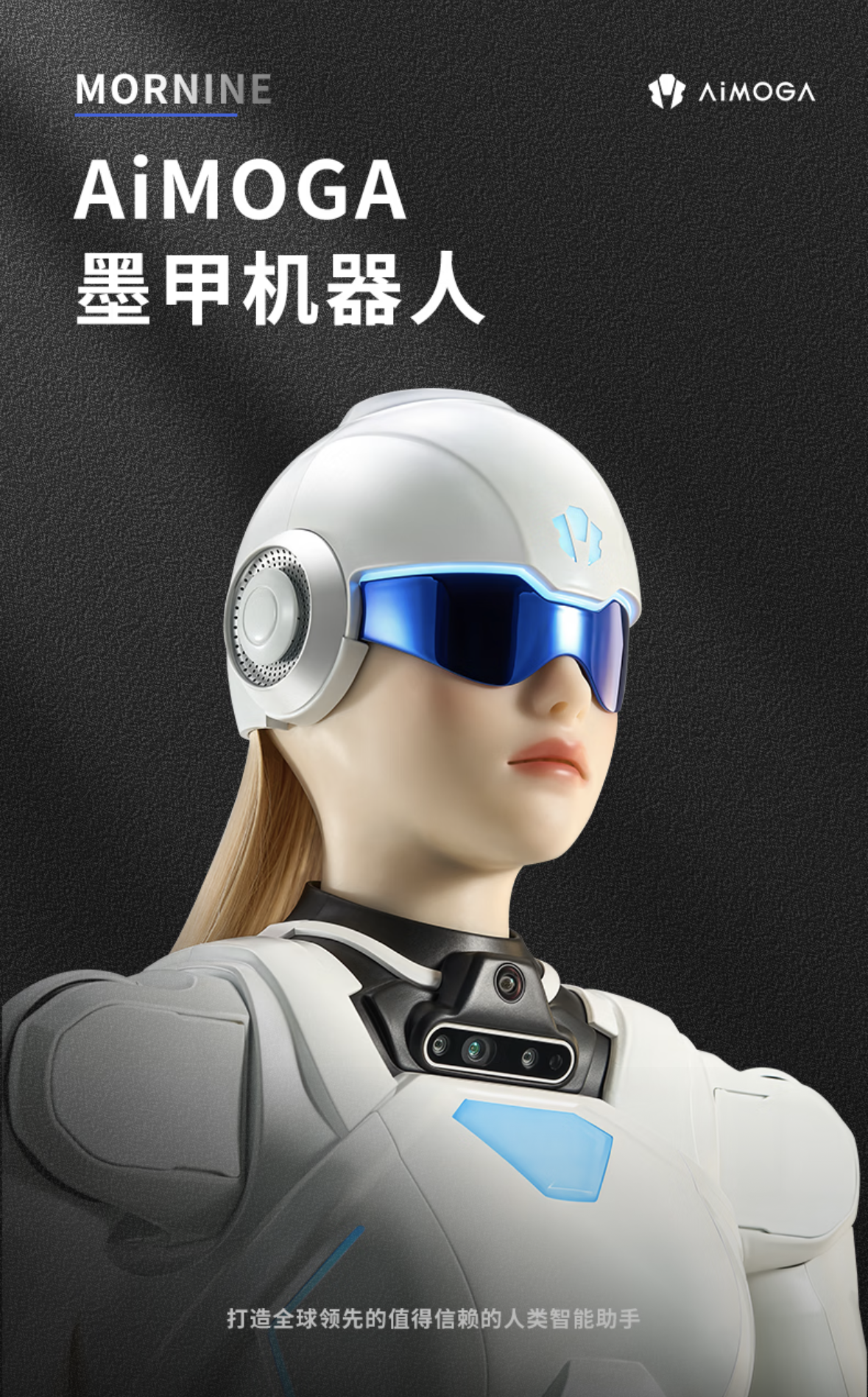
According to a Reuters report on the 19th, Chery’s Mojia Robotics has begun preparations for an IPO, hoping to raise funds through a listing for future expansion and technology investment.
Zhang Guibing, president of Chery International and head of Mojia Robotics, disclosed the plan. Mojia Robotics is currently in discussions with multiple potential listing locations and is preparing to significantly increase humanoid robot deliveries next year, with the goal of entering the global robotics industry’s top tier.
Zhang Guibing said: “We are currently making the necessary preparations… and are also discussing the matter with several potential listing locations.” A listing would not only provide funding for future technology investment, but also help improve corporate governance, transparency and operating standards.
There is precedent for Chery-affiliated companies pursuing separate listings. According to ITHome, auto-parts supplier Bethel went public on the Shanghai Stock Exchange in 2018, while robotics and automation company EFORT listed on the SSE STAR Market in 2020.
As Mojia Robotics prepares to go public, investment interest in China’s robotics industry is also rising rapidly. More and more automotive and technology companies are entering the field, hoping to accelerate the transition of humanoid robots from research and development to commercial applications by leveraging advances in AI and autonomous-system technologies. In addition to factories, companies are also competing for new applications in retail, customer service, policing and public safety.
Mojia Robotics was incubated by Chery in January 2025. Its cumulative global deliveries have now exceeded 3,000 units, including 2,000 sold overseas, with operations spanning more than 60 countries and regions. Zhang Guibing said Mojia Robotics plans to deliver 10,000 robots globally next year, with the long-term goal of becoming a “world-leading” robotics company.
Earlier this year, Mojia Robotics launched humanoid police robots. Some 110 units are currently in use in multiple Chinese cities, mainly assisting with traffic management, crowd guidance and public-safety education.
Zhang Guibing pointed out that traffic management is one of the applications the company views favorably. Traffic police must regularly deal with extreme weather, air pollution caused by vehicle exhaust and a relatively high risk of accidents, making the working environment extremely demanding. Robots can help alleviate staff shortages in such roles, and overseas markets may have even greater demand. Some areas of the Middle East and Southeast Asia, for example, face high temperatures and heavy rainfall for extended periods, making traffic management more difficult.
The bipedal humanoid robots initially developed by Mojia Robotics were mainly deployed in Chery dealerships. They have now begun entering more public-service scenarios.
Zhang Guibing believes that China’s robotics industry today resembles the electric-vehicle industry several years ago: many companies have emerged rapidly, intensifying market competition. As the industry gradually consolidates, its overall technological foundation is expected to strengthen. “Competition could be extremely fierce, especially in terms of cost.”
Mojia Robotics is also accelerating its overseas expansion to reduce its reliance on the domestic market. In the first phase, it will focus on promoting service robots and companion robots. Zhang Guibing expects that “humanoid robots may need about 10 more years to mature, after which they will enter a period of rapid adoption.”