
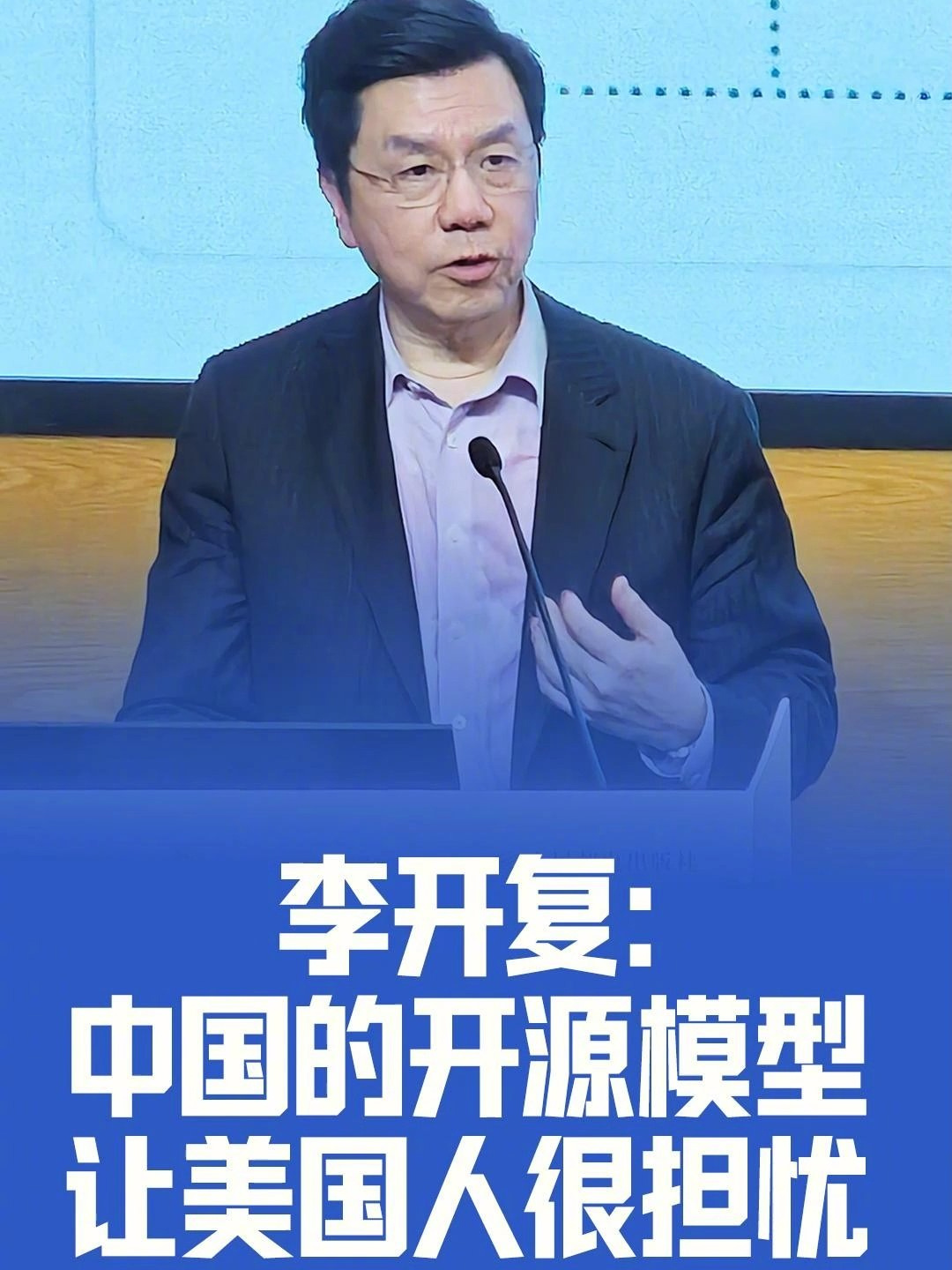
Kai-Fu Lee, founder and CEO of 01.AI and chairman of Sinovation Ventures, said recently in Beijing that more and more American companies are beginning to use Chinese open-source products, and that China’s open-source large models are making Americans concerned.
Lee said that what Americans are currently most concerned about is that although OpenAI’s GPT-5.6 Sol and Anthropic’s Fable 5 are the strongest AI models today, they are only slightly better than Moonshot AI’s Kimi K3. Yet Kimi K3 is much cheaper than American products, potentially costing 60% less.
At the same time, more and more American companies are beginning to use Chinese open-source products because of the capabilities and cost-effectiveness of open-source models. Many people are now openly discussing whether the open-source model ecosystem could weaken the development of America’s closed-source system, or even cause it to collapse.
Moonshot AI launched the Kimi K3 model on July 16. It is the most capable model Kimi has released to date, with 2.8 trillion parameters. On the global AI large-model rankings of the Frontend Code Arena, Kimi K3 ranked first with a score of 1679, surpassing Claude Fable 5.
Regarding Kimi’s achievements and its open-source strategy, Dean W. Ball, OpenAI’s newly appointed head of strategic futures, criticized the choice last month, saying that open-weight models are essentially accelerationism in reverse and will hinder further AI capital expenditure.