

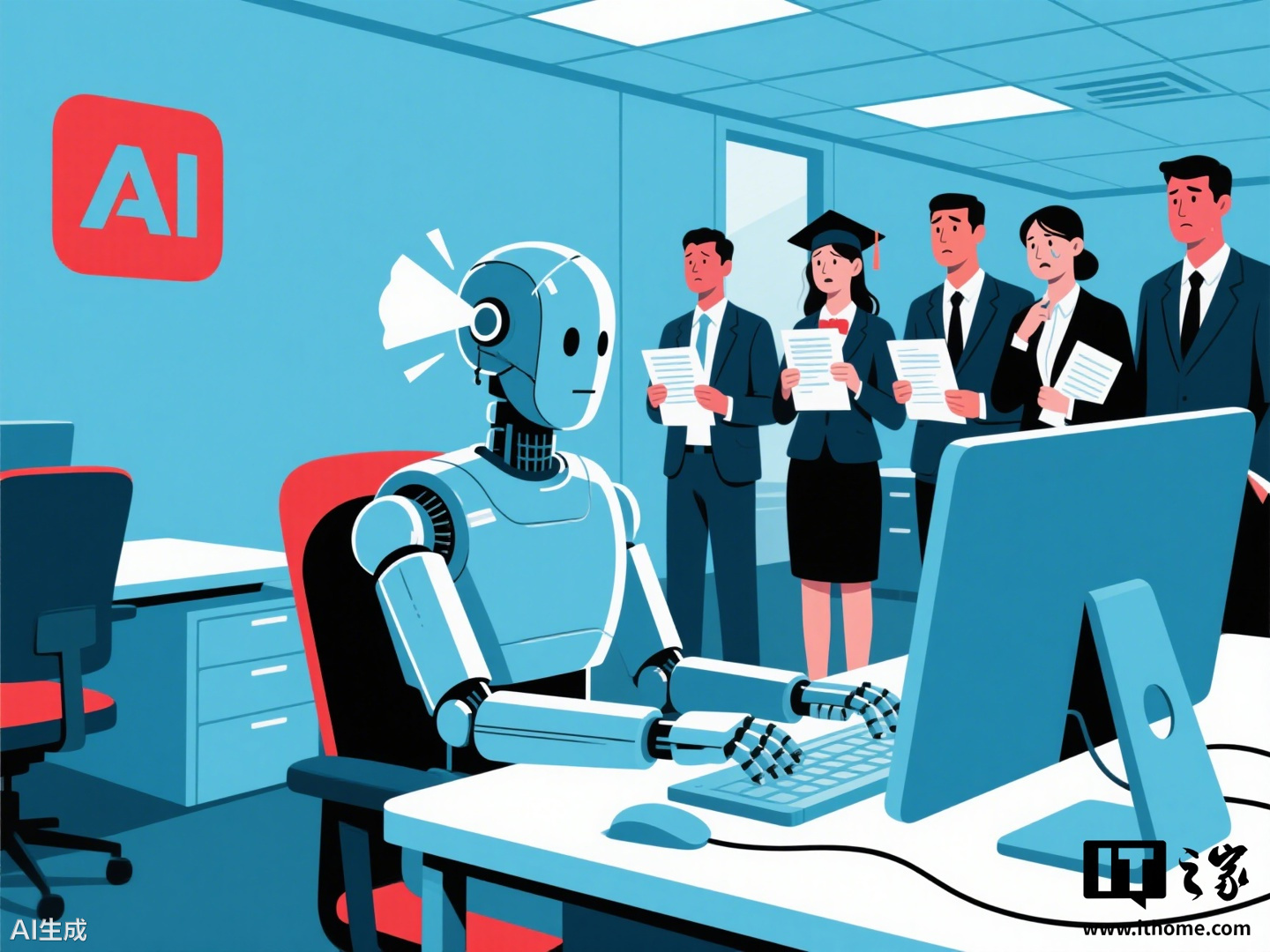
According to a Bloomberg report today (the 19th), a Pew Research Center survey shows that America’s youngest workers are becoming increasingly skeptical of AI and increasingly worried that technological progress will cause widespread job losses.
For the first time since Pew began conducting this survey in 2021, more than half of adults under 30 are more concerned than hopeful about AI. The shift is especially pronounced among the youngest group: once the most optimistic about AI’s potential, they have now become one of the groups most skeptical of AI. Nearly three-quarters of adults in this age group also believe AI will reduce employment opportunities, up from 61% two years ago.
Most other age groups feel similarly.
These results further highlight the complicated relationship between young Americans and AI. They are among the most proficient users of AI, yet they are entering the workforce just as the technology may be weakening entry-level jobs—roles that have long served as an important gateway for young people entering the labor market.
This concern is not limited to young people. Pew data shows that more than half of Americans are concerned about AI. People who have already established themselves in the workforce are becoming increasingly positive about AI, further supporting the view that more experienced workers are more likely to benefit from it.
It remains difficult to determine exactly how much AI has affected hiring in the United States. The rapid adoption of AI has coincided with a weakening economy, making the two factors difficult to separate completely. In addition, AI may replace only some tasks within a job rather than the entire position.
There are already signs that hiring aimed at newcomers to the workforce is slowing, while U.S. corporate executives have publicly discussed how automating some work with AI can reduce labor costs.