

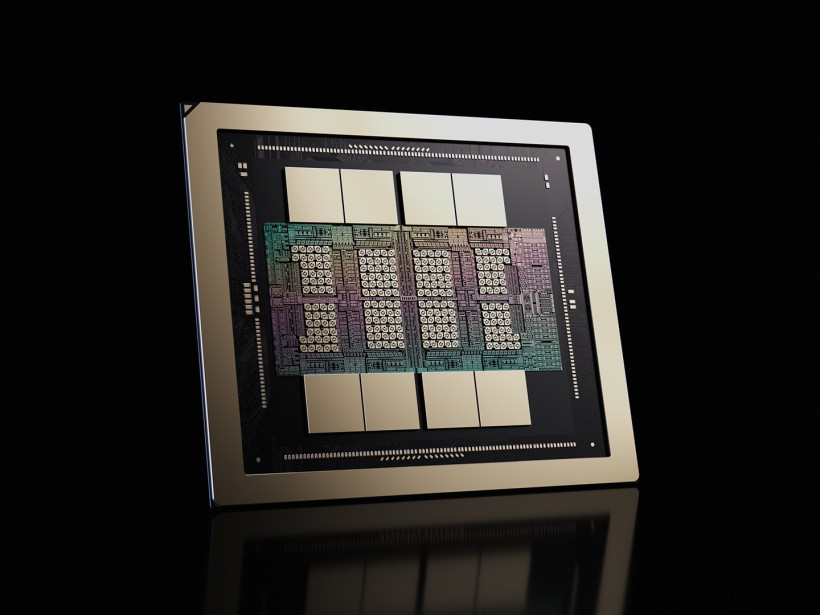
ZDNET Korea cited sources on the 26th local time as saying that NVIDIA has asked upstream HBM memory suppliers to adjust their HBM4 supply plans, increasing the share of 8-high (8Hi) products while correspondingly reducing the proportion of higher-stacked 12Hi HBM4.
The global memory market is currently experiencing a supply shortage. Lower stack heights allow more HBM4 stacks to be produced with the same number of HBM4 DRAM dies, ultimately increasing Rubin GPU deliveries.
On the other hand, 12Hi stacking means greater heat generation and higher thermal density, creating greater yield pressure for HBM4E, which contains a large amount of I/O. 8Hi HBM can also reduce DRAM die losses during processing in this respect.
In addition, more recent reports indicate that NVIDIA is considering downgrading and reducing the HBM memory configuration of Rubin Ultra, for similar reasons.