


Technology media outlet Tom's Hardware published a post yesterday (July 31), reporting that Qualcomm partner NEURA Robotics experienced an unexpected demonstration failure while showcasing its 4NE-1 Gen 3.5 humanoid robot, causing the robot to fall backward.
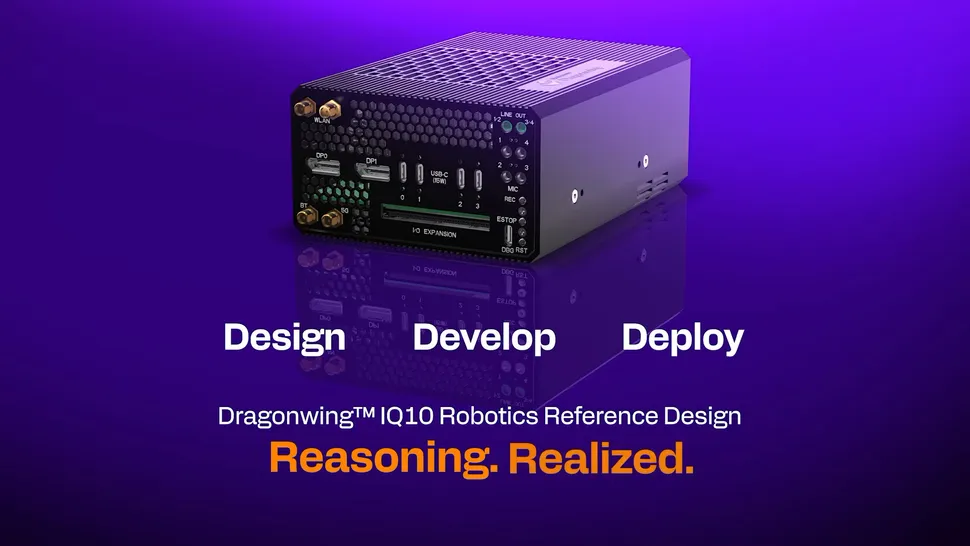
According to the post cited by IT Home, the 4NE-1 humanoid robot is equipped with Qualcomm's Dragonwing IQ10 robotics reference design and has approximately 700 TOPS of computing power.
During the demonstration, the robot walked unsteadily toward a Qualcomm executive wearing a suit. The executive then picked up a Qualcomm Dragonwing IQ10 RRD motherboard from the tray delivered by the robot and showed it to the audience.
After the audience's applause and cheers briefly subsided, the robot suddenly fell backward. The on-site staff reacted quickly. Several social media users noted that staff members dressed in black first covered the fallen robot with purple fabric, after which 3 people carried it off the stage and exited from the left side.
A Qualcomm spokesperson told Tom’s Hardware:
Live demonstrations carry risks. At Computex Taipei, a brief communication failure triggered a fault in the prototype humanoid robot and initiated a controlled shutdown.
The robot executed the designed “safe collapse” sequence, reducing the risk to the surrounding environment, and the safety systems worked as expected. The incident also provided valuable real-world data that will help further enhance system reliability and accelerate the development of safer, more resilient robotic technologies.