

- Monthly visits
- 0
- Pricing
- Free & Paid
- Listed
- 2026-04-15
- Updated
- 2026-08-25
01Product Positioning
LensAI is designed for content publishers, brand advertisers, digital marketers, and ecommerce teams that need to turn images and videos into commercial entry points. Based on the content and context in each frame, it matches clickable shopping components to visual elements, supporting visual content monetization and related marketing use cases.
Product materials indicate that its targeting approach does not rely on third-party cookies, focusing on the content itself rather than user-tracking-based delivery.
02Key Features
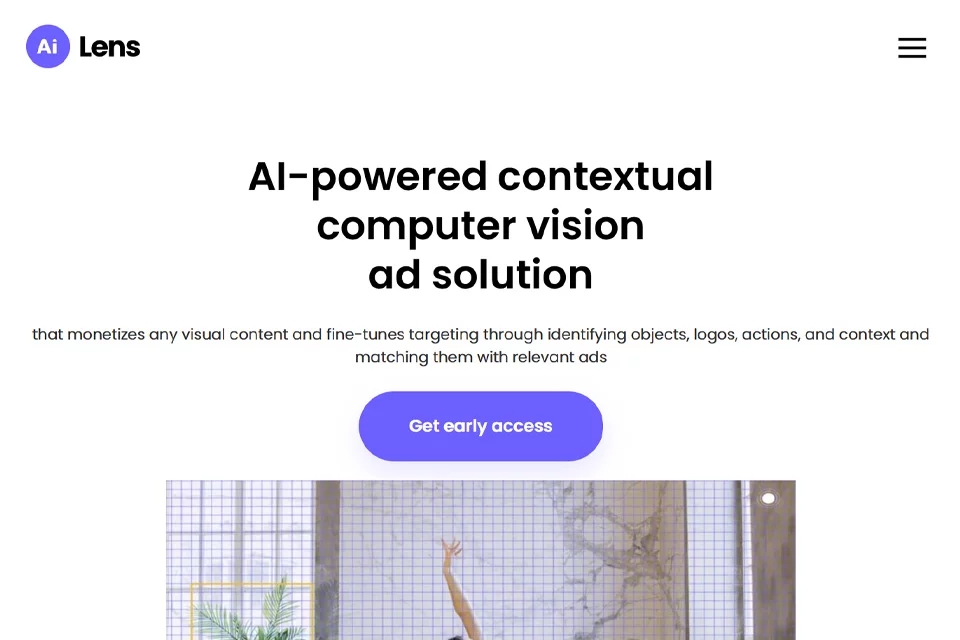
LensAI combines computer vision and natural language processing to analyze objects, logos, actions, and other contextual information in images and videos, then matches brand assets or product links to targets in the frame.
During presentation, the product can place shopping components near the relevant visual elements, allowing audiences to enter a click or shopping path from related objects within the content. Its workflow emphasizes automated analysis and reducing manual tagging.
03Use Cases
Content publishers can use existing images and videos to create shopping entry points or generate advertising revenue. Brand advertisers can find contextually relevant placements around products, logos, or actions in a frame. Digital marketers can evaluate it as a content-contextual targeting approach, while ecommerce teams can use it to shorten the path from visual content to product pages.
It is best suited to content featuring clearly identifiable products or visual objects.
04Usage Considerations
Before use, confirm the supported media formats, integration process, shopping component configuration, and the feature boundaries of the free and paid plans. Available materials do not specify platform compatibility, billing details, or performance metrics, so product positioning alone cannot establish suitability for every type of content or distribution channel.
Automated recognition and matching still require review based on asset quality, visual complexity, and brand relevance. Before a formal launch, verify component placement, relevance, and the viewing experience.
© Disclaimer: domains and linked content may change over time. AIEZZ does not control third-party websites. Review external content and risks independently.
User reviews0