

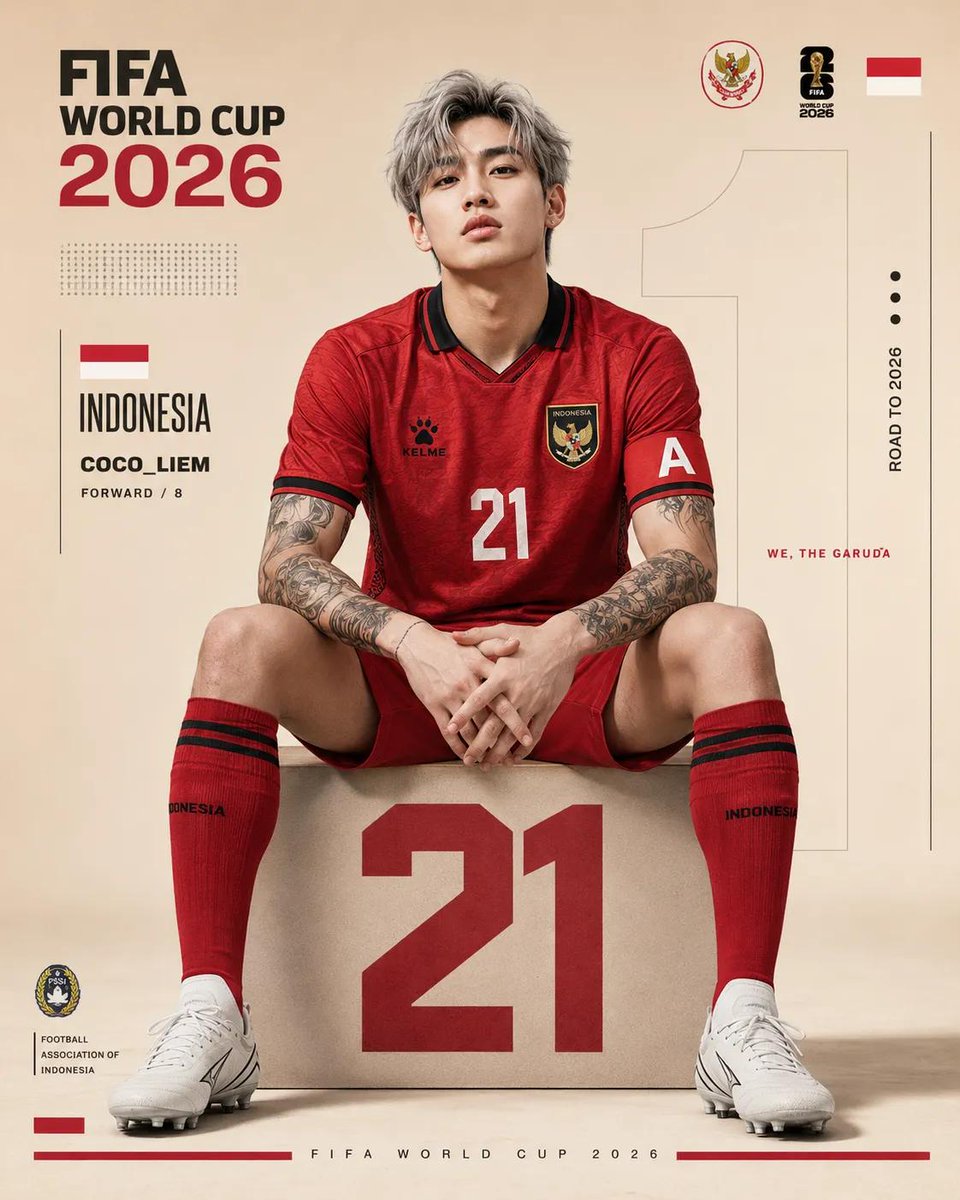
Prompt
Generate a portrait poster with the refined texture of East Asian Editorial Design, Museum Posters, and cultural publications.
Use an “asymmetrical three-part composition,” with the three areas respectively responsible for:
1. Main visual subject
2. Oversized Chinese title
3. Archival and supporting information
Do not divide the layout into three equal columns, and do not use obvious dividing lines.
Most importantly, design at least one genuine cross-area interaction based on 【physical relationships】, so that the three areas form a causal connection:
For example, the subject may cast an enlarged shadow, text may appear in a mirror reflection, printed paper may lift from the layout, or a rubbing may roll up to reveal the original object.
Do not merely place the elements close to one another. Make them genuinely overlap, interweave, reflect, transfer, or reveal front-to-back layers.
Use warm ivory uncoated art paper overall, paired with ink-black typography and one primary theme color. Use modern high-contrast Song or Mincho type for Chinese text, Serif for English titles, and Grotesk or Monospace for small archival information.
The main visual must have a strong, recognizable form that remains effective as a thumbnail. The oversized 【core Chinese character】 must participate in the spatial relationship: it may be crossed by a shadow, appear in a mirror reflection, emerge in the printed result, or form front-to-back layering with a real object.
Add 【archival information】 genuinely related to the theme, such as materials, dimensions, production steps, structural sections, surface samples, or observation records, giving the poster both visual impact and content depth.
Maintain medium-high information density, while preserving approximately 20%–30% effective negative space to create a rhythm of “high density in the main visual, medium density in the archive, and low density on the paper.”
Final reading order:
At first glance, viewers see the powerful main visual and oversized Chinese text; at second glance, they discover the cross-area physical relationship; at third glance, they understand the structure, materials, or process; at fourth glance, they read the work title and archival information.
Keep the paper, type system, information hierarchy, and editorial character consistent across the series, while redesigning the composition for each different 【physical relationship】 rather than simply applying a template makeover.