
What Refund Prompt Does
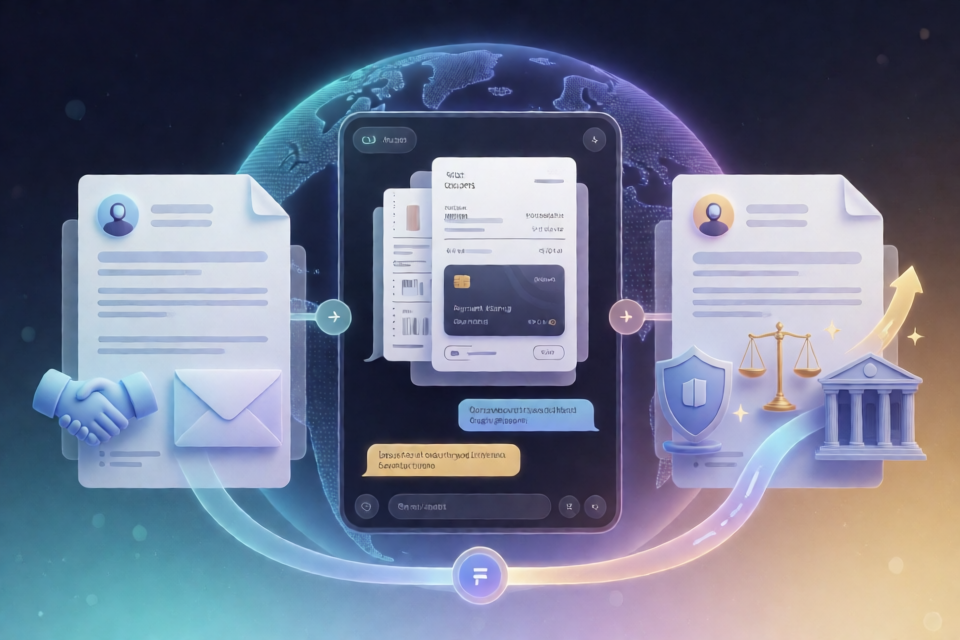
Refund Prompt is a single, self-contained prompt that turns a capable AI assistant into a personal refund assistant. You paste the prompt into Claude, ChatGPT, or a similar tool, provide supporting documents, and answer a few questions. The AI then prepares a refund demand letter and, if necessary, a second letter with an escalation plan.
The project is designed to remove several common obstacles from the refund process. You do not need to choose a letter template, determine which facts to include, or guess which consumer-protection rules may apply. The prompt instructs the AI to inspect your evidence, research the company's current policies, and use a deliberate two-phase strategy.
The complete reusable prompt is stored in PROMPT.md.
Key Features
- Document analysis: The AI can review receipts, invoices, emails, and screenshots to identify the company, payment amount, dates, payment method, and useful evidence.
- Company research: It checks the company's live website for refund policies, terms of service, cancellation conditions, and relevant deadlines.
- Two-phase communication: The first letter is polite and policy-focused, while the second introduces applicable legal and procedural escalation options.
- Jurisdiction-aware guidance: The prompt includes a compact legal reference covering more than 30 jurisdictions, including the EU and EEA, the UK, the US, Russia, Ukraine, Kazakhstan, Brazil, India, Japan, and Turkey.
- Escalation planning: When applicable, the second phase can identify consumer authorities, regulators, ombudsmen, card issuers, chargeback options, and small-claims procedures.
- No separate application: There is no service to install or configure. The project consists of a prompt used inside an existing AI tool.
Prepare Your Refund Case
Before opening the prompt, collect the documents that establish what happened. Clear and complete evidence helps the AI extract accurate facts and reduces the number of follow-up questions.
Useful documents
- The original receipt or invoice.
- Order confirmations and transaction records.
- Emails or chat messages exchanged with the company.
- Screenshots showing the product, service, error, cancellation attempt, or advertised terms.
- Any previous refund request and the company's response.
Make sure you know your country or jurisdiction, the reason for requesting the refund, and what outcome you want. If a document contains sensitive information that is not relevant to the dispute, consider removing or obscuring it before uploading the file to an AI service.
Install and Set Up Refund Prompt
Refund Prompt does not require a package manager, programming language, API key, or local runtime. Setup consists of opening the prompt file and copying it into a capable AI assistant.
- Open
PROMPT.mdin the repository. - Copy the entire contents of the file. Avoid copying only selected sections because the prompt is designed to operate as a complete workflow.
- Start a new conversation in Claude, ChatGPT, or another capable AI.
- Paste the full prompt into the conversation and submit it.
- Follow the assistant's requests for documents and missing information.
Use a model that can analyze your document formats and access current web information if you expect it to investigate the company's live refund policy or support channels.
Basic Usage: Generate the First Refund Letter
The first phase emphasizes research and cooperation rather than threats. The AI reads your evidence, investigates the company's own rules, and creates a concise request intended for the appropriate support channel.
- Paste the prompt: Submit the complete contents of
PROMPT.mdin a fresh AI conversation. - Attach your evidence: Upload the receipt, invoice, relevant emails, and screenshots when requested.
- Answer follow-up questions: Supply any facts that cannot be established from the files, such as your jurisdiction, desired resolution, or previous contact with the seller.
- Review the research: Check the company name, amount, dates, refund window, policy language, and support destination identified by the AI.
- Review the letter: Confirm that every factual statement matches your records.
- Send it through the recommended channel: Use the company's appropriate support address, form, or other channel identified during the research.
Example information to provide
You can answer the AI's questions in a compact factual format:
Country or jurisdiction: United Kingdom
Purchase date: 12 March
Amount: £79
Payment method: Credit card
Reason for refund: Service did not match the advertised description
Previous contact: Support request sent on 14 March; no resolution
Requested outcome: Full refund
This is only an example structure. Replace every field with your real information and rely on the attached documents wherever possible.
Why Phase 1 Stays Polite
The project deliberately avoids opening with legal threats. Instead, it places the company's own refund policy at the center of the request when that policy supports your case. The goal is to give a support agent a clear, policy-based reason to approve the refund through the company's normal process.
If the case includes a strong legal basis, such as an eligible EU consumer acting within a 14-day withdrawal window, the first letter may mention it briefly and softly near the end. The main tone remains short, cooperative, and explicitly focused on an amicable resolution.
Use Phase 2 When the Company Refuses or Stalls
If the first request is rejected or receives no meaningful response, return to the same AI conversation and ask for the second-phase letter. Keeping the conversation preserves the facts and documents already reviewed.
The company has refused my request or has not resolved it. Please proceed with the phase-2 escalation letter using the same facts and evidence.The second letter remains polite, but it can add the legal and procedural basis for recovery that fits the case. Depending on the jurisdiction and circumstances, the output may include:
- Applicable consumer-protection statutes and article numbers.
- A specific deadline by which the refund should be processed.
- Named regulators, consumer authorities, ombudsmen, or other complaint bodies.
- Card-issuer or chargeback options.
- A progression from formal complaint to consumer authority, chargeback, and small claims.
- Deadlines that could expire while correspondence continues.
Do not add threats or remedies that the generated analysis does not support. The strength of the second phase comes from matching each escalation step to the actual facts, jurisdiction, payment method, and available deadlines.
Advanced Tips
Keep the original evidence available
Do not rely solely on the AI's summary. Retain copies of receipts, invoices, terms, screenshots, messages, submitted forms, and delivery confirmations. These materials may be needed for a chargeback, regulatory complaint, or small-claims filing.
Verify changing policies and contact details
Company policies, URLs, support channels, and cancellation windows can change. Open the pages found by the AI and confirm that they are current before sending the letter. Save a dated copy or screenshot of relevant policy language when appropriate.
Check every legal citation
The prompt is designed to choose jurisdiction-specific rules and avoid mismatched citations. Even so, review statute names, article numbers, eligibility conditions, and deadlines before relying on them. This is especially important when the purchase crosses borders or involves an exception to ordinary cancellation rights.
Preserve the two-phase structure
Do not combine both phases automatically. Begin with the researched, cooperative request. Move to legal escalation only after a refusal, delay, or failure to resolve the case. This preserves the project's intended strategy.
Track dates carefully
Record when you purchased, requested cancellation, contacted support, received responses, and sent each letter. Refund windows, chargeback periods, and complaint deadlines can depend on exact dates.
Use precise, consistent facts
Names, amounts, transaction identifiers, dates, and the reason for the refund should remain consistent across both letters. Correct inconsistencies before sending anything, particularly if the AI extracted text from low-quality screenshots or scans.
Ask for revision instead of editing blindly
If the draft is too long, too forceful, or factually unclear, ask the AI to revise it while preserving the verified evidence and strategy. For example:
Shorten the phase-1 letter, keep the tone cooperative, preserve the verified policy reference, and do not add any new facts.Conclusion
Refund Prompt provides a structured way to turn receipts and correspondence into a researched refund request. Start by copying the full prompt, supply accurate evidence, and send the polite policy-based letter first. If the company refuses or stalls, return for the jurisdiction-aware escalation letter and review every deadline, citation, and factual claim before acting.
The project is available under the MIT License.