
- Monthly visits
- 0
- Pricing
- Free
- Listed
- 2025-08-30
- Updated
- 2026-04-13
01Product Positioning
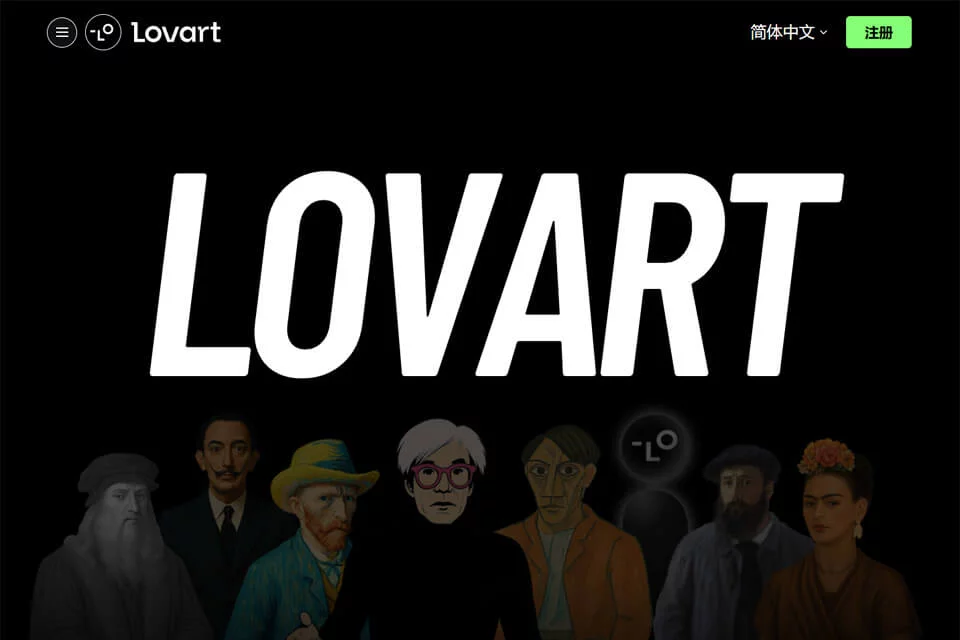
Lovart AI is positioned as an AI agent for design workflows, focusing on the continuous creative process from describing requirements to producing visual results. Users explain their goals in natural language, and the system organizes steps involving text, images, video, and 3D modeling to form a more complete design workflow.
It is better suited as a design collaborator and creative acceleration tool that helps users quickly establish a direction, generate initial drafts, and continue editing, rather than replacing all design judgment.
02Key Features
The product can generate posters, marketing short videos, brand visual content, and 3D modeling results from text requirements. Brand-related tasks can cover logos, packaging, social media assets, and brand guidelines.
The intelligent canvas supports selecting elements in generated results for editing, expanding the image canvas, and repairing local details. It can also separate text and images in posters, making it easier to adjust copy and layout. The system records prompts, intermediate drafts, and revision paths to facilitate review of the creative process.
03Use Cases
Startups can use it to quickly explore logos, packaging, and social media assets while organizing foundational brand visual concepts. Marketing and operations teams can use it for the preliminary production of multi-platform graphics, posters, and short videos.
Designers can use it for style exploration, basic layout, and repetitive content generation, leaving more time for core creative work. Individual creators can use the chat-based interaction to produce personalized visual content and first obtain an editable draft.
04Usage Considerations
Lovart AI works best when users begin with clear goals, audiences, styles, and dimensions. The more specific the requirements, the easier it is for the system to plan the workflow. During generation, users can also progressively refine the results by selecting areas on the canvas or providing text instructions.
Automatically generated layouts, text, details, and brand consistency still require manual review. Projects involving complex visual guidelines, batch delivery, or final publication should be checked and adjusted by designers as needed, rather than relying on a single generation result.
© Disclaimer: domains and linked content may change over time. AIEZZ does not control third-party websites. Review external content and risks independently.
User reviews0