
AI tutorials
AI tutorials
Practical AI tutorials covering tools, prompting, and reusable automation workflows.
Updated regularly1303 tutorials
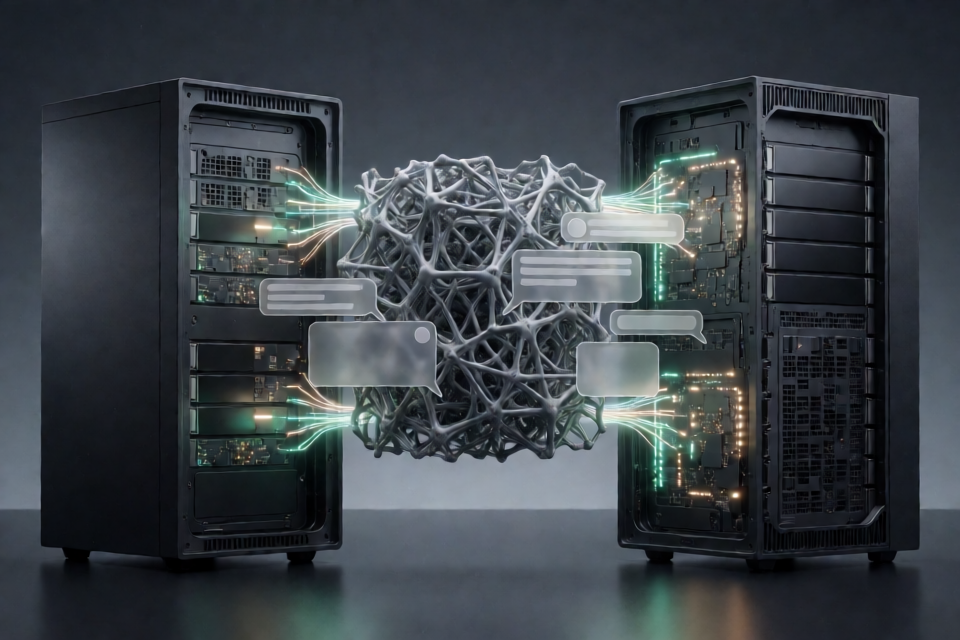 On-site tutorial#AI tutorialServe GLM-5.3 Flash EXL3 Across Two NVIDIA DGX Spark SystemsLearn how to install, configure, launch, test, and tune GLM-5.3 Flash EXL3 on two NVIDIA GB10 DGX Spark systems. This tutorial covers the two-node runtime, DFlash2 speculative decoding, fp8 MLA KV cache, OpenAI-compatible requests, prefix caching, benchmarking, optional ablation, and important configuration constraints.

 On-site tutorial#AI tutorialAudit the BOZAGENTIC Prompt Repository SafelyLearn how to clone, inventory, and review the BOZAGENTIC repository in an isolated environment. This tutorial explains its documentation, prompt modules, and templates while emphasizing safe analysis rather than activating instructions designed to override AI safeguards.
 On-site tutorial#AI tutorialRun Code-as-World Models for Quantitative Physical ReasoningLearn how to install Code-as-World, download its 4B and 9B vision-language checkpoints, run QuantiPhy video evaluations, expose a model through vLLM, and execute the bundled MuJoCo ballistic soccer example.
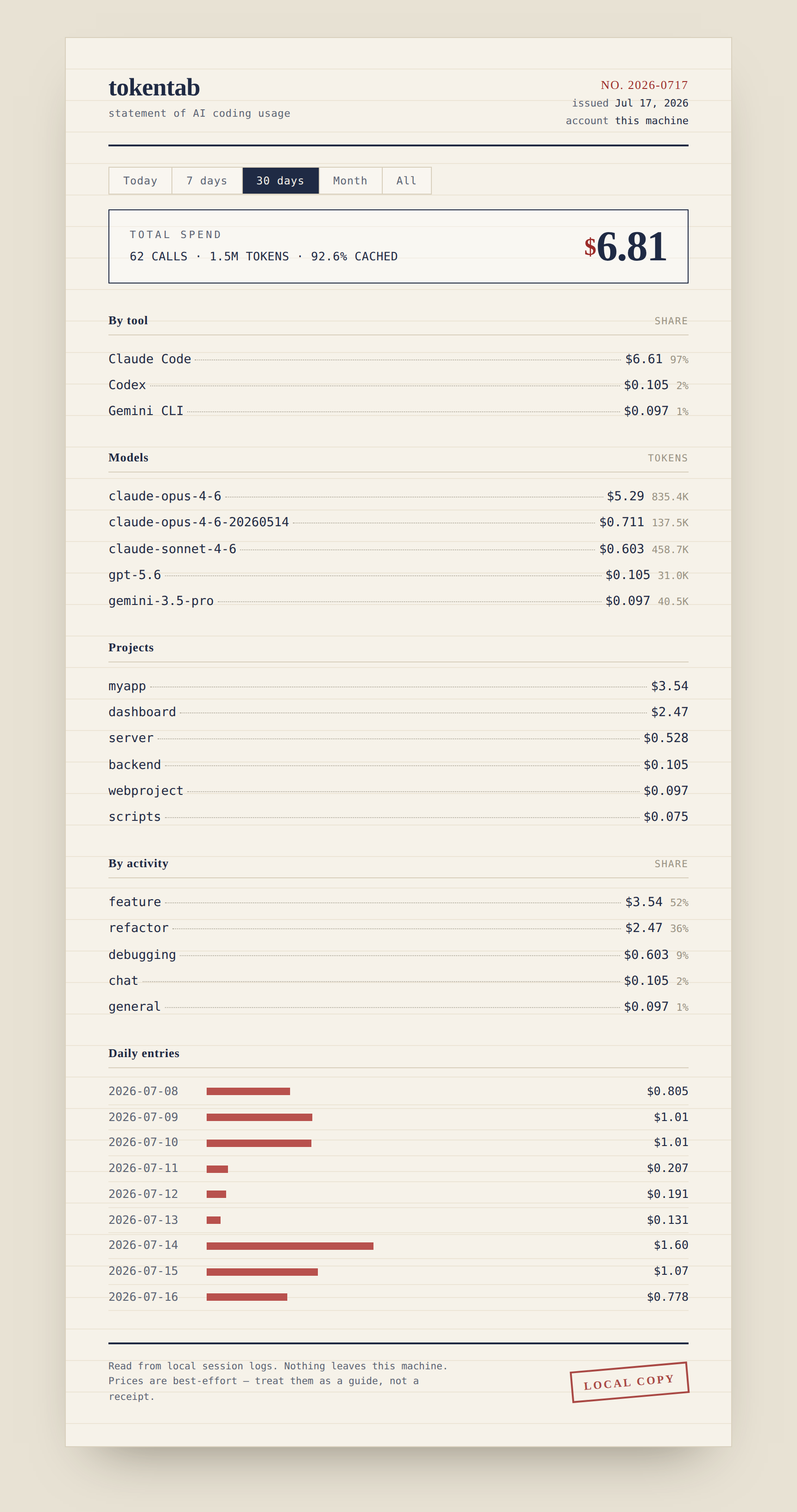 On-site tutorial#AI tutorialTrack Local AI Token Usage and Costs with tokentabLearn how to install tokentab, analyze AI token usage and estimated costs from local session logs, filter reports by date or project, open the private web dashboard, interpret the results, and extend the project with another provider.
 On-site tutorial#AI tutorialBuild Persistent AI Agent Memory with AIrecallLearn how to install AIrecall, initialize persistent local storage, save conversations and durable facts, retrieve relevant memories, and connect its retriever to an agent framework. The tutorial also explains hybrid retrieval, automatic summarization, deployment options, and common troubleshooting steps.
 On-site tutorial#AI tutorialBuild Editable 3D Models from Text with ProceduraLearn how to turn text prompts or reference images into editable OpenSCAD programs and 3D meshes with Procedura. This tutorial covers installation, model configuration, basic generation, higher-quality workflows, materials, articulation, batch processing, stage reruns, and the browser-based Studio.
 On-site tutorial#AI tutorialBuild and Run an AI-Powered WeChat Learning Mini AppLearn how to configure and run the AI Knowledge Base Smart Learning Mini App, connect its FastAPI backend to the Taro frontend, verify the service, execute tests, and prepare the Docker-based backend for deployment.
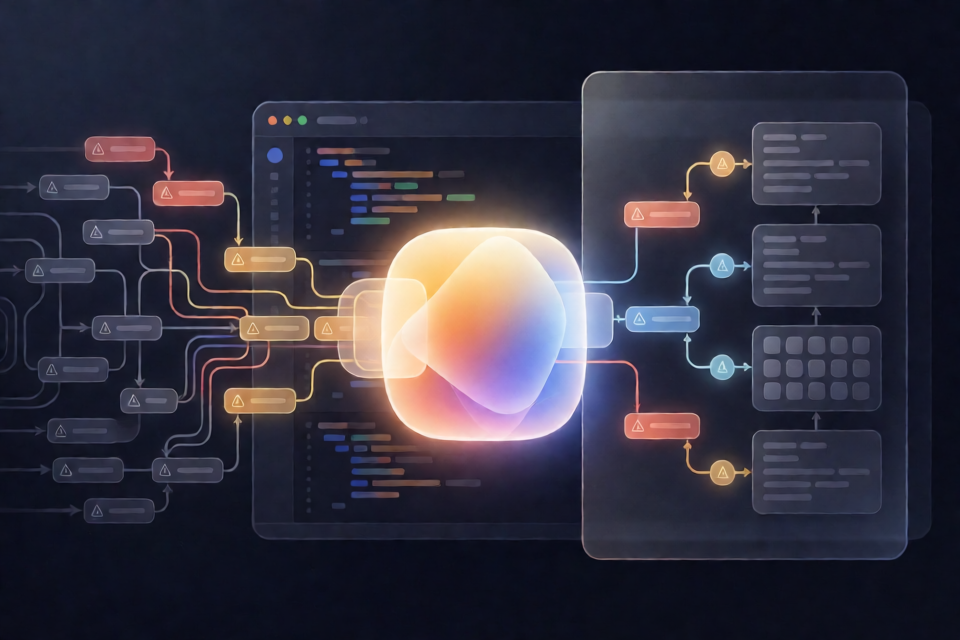 On-site tutorial#AI tutorialReduce Cyclomatic Complexity with ClaudeLearn how to install and use the cyclomatic-complexity Claude skill to measure function complexity, prioritize hotspots, refactor safely, and produce clear before-and-after reports without gaming the metric.
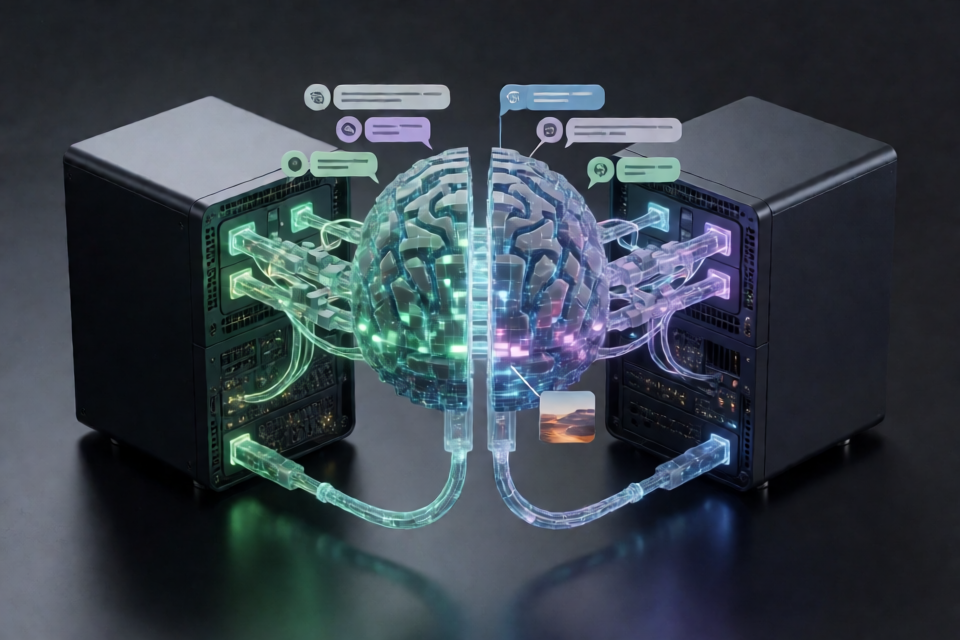 On-site tutorial#AI tutorialServe Qwen3.8 Flash Next 176B Across Two DGX SparksThis tutorial shows how to use the repository’s single-file recipe to download, patch, and serve Qwen3.8-Flash-Next-NVFP4 across two NVIDIA DGX Spark nodes while respecting GB10 unified-memory limits and the model’s SM121 sparse-attention requirements.
 On-site tutorial#AI tutorialUse CDAF to Give AI Agents Fast, Verified Video ContextThis tutorial shows how to install CDAF, generate timestamped sidecars, verify them against source videos, and integrate their text into AI workflows. You will also learn batch processing, detail profiles, agent-skill installation, Python API usage, local generation options, and techniques for searching video libraries efficiently.
 On-site tutorial#AI tutorialGenerate and Edit Images with GPT Image SkillLearn how to install GPT Image Skill, generate images from natural-language prompts, work with local references, continue edits correctly, and run bounded parallel batches. The tutorial also covers authentication, workspace safeguards, troubleshooting, and platform-specific setup.
 On-site tutorial#AI tutorialRun the Media Inference Worker Test Client SafelyThis tutorial explains how to install and run media-inference-worker, an old test client from a media pipeline. You will learn the documented command format, where to find additional request examples, and how to handle the repository’s potentially outdated service-account credentials safely.