
AI tutorials
AI tutorials
Practical AI tutorials covering tools, prompting, and reusable automation workflows.
Updated regularly1301 tutorials
 On-site tutorial#AI tutorialGetting Started with SoftJL Community: Connect Requirements, UML, Testing, and Documentation with AIThis tutorial explains how to deploy SoftJL Community, configure an OpenAI-compatible model, and use a library seat reservation system to complete requirements validation, feasibility analysis, UML modeling, test coverage, and engineering documentation generation.

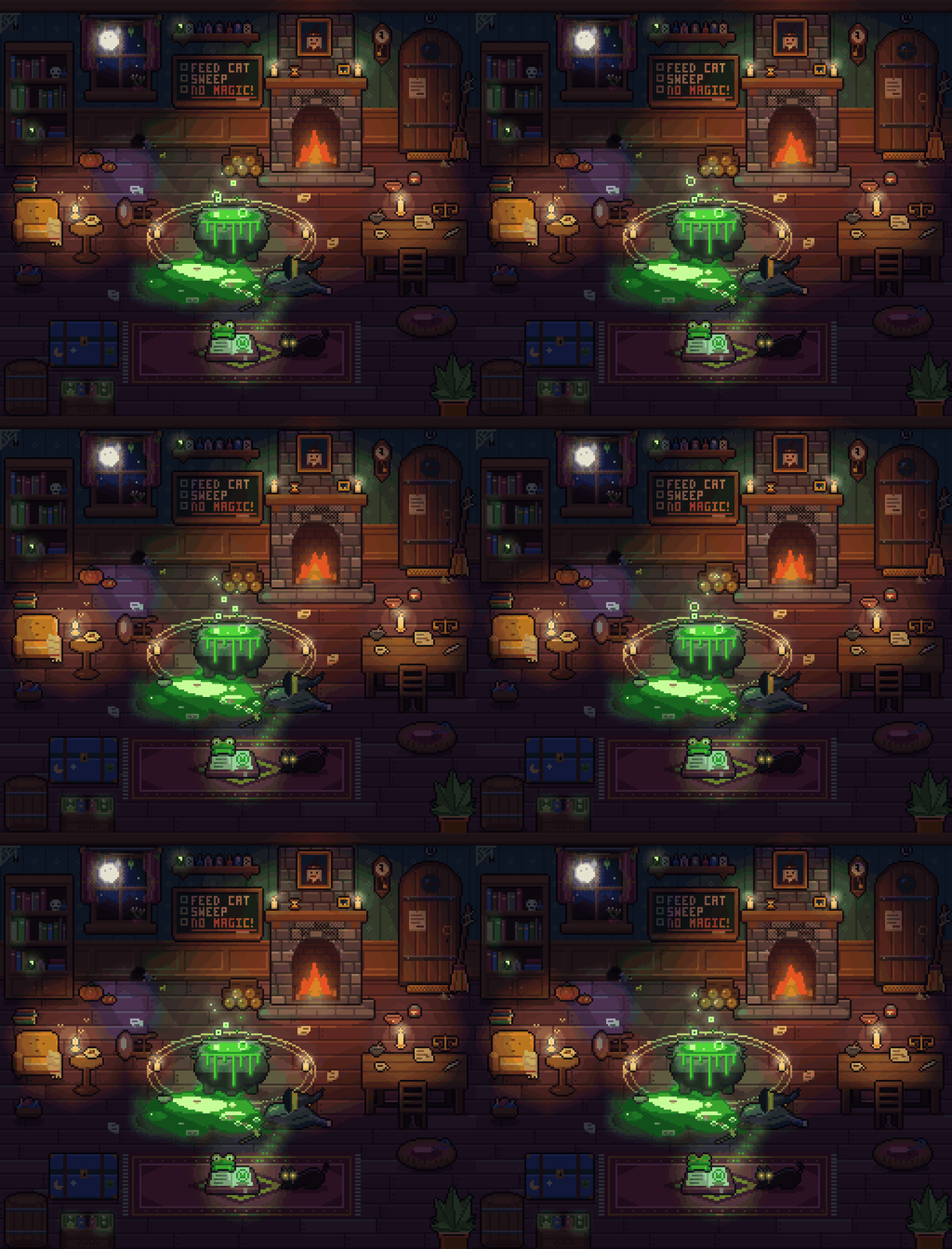 On-site tutorial#AI tutorialCreate Pixel Art, Sprite Sheets, and GIFs as Code with pxlLearn how to install pxl, define pixel art with its compact DSL, generate PNG sprites and sprite sheets, preview changes in a live browser viewer, and use advanced features such as variants, animation, scenes, lighting, and AI-assisted workflows.
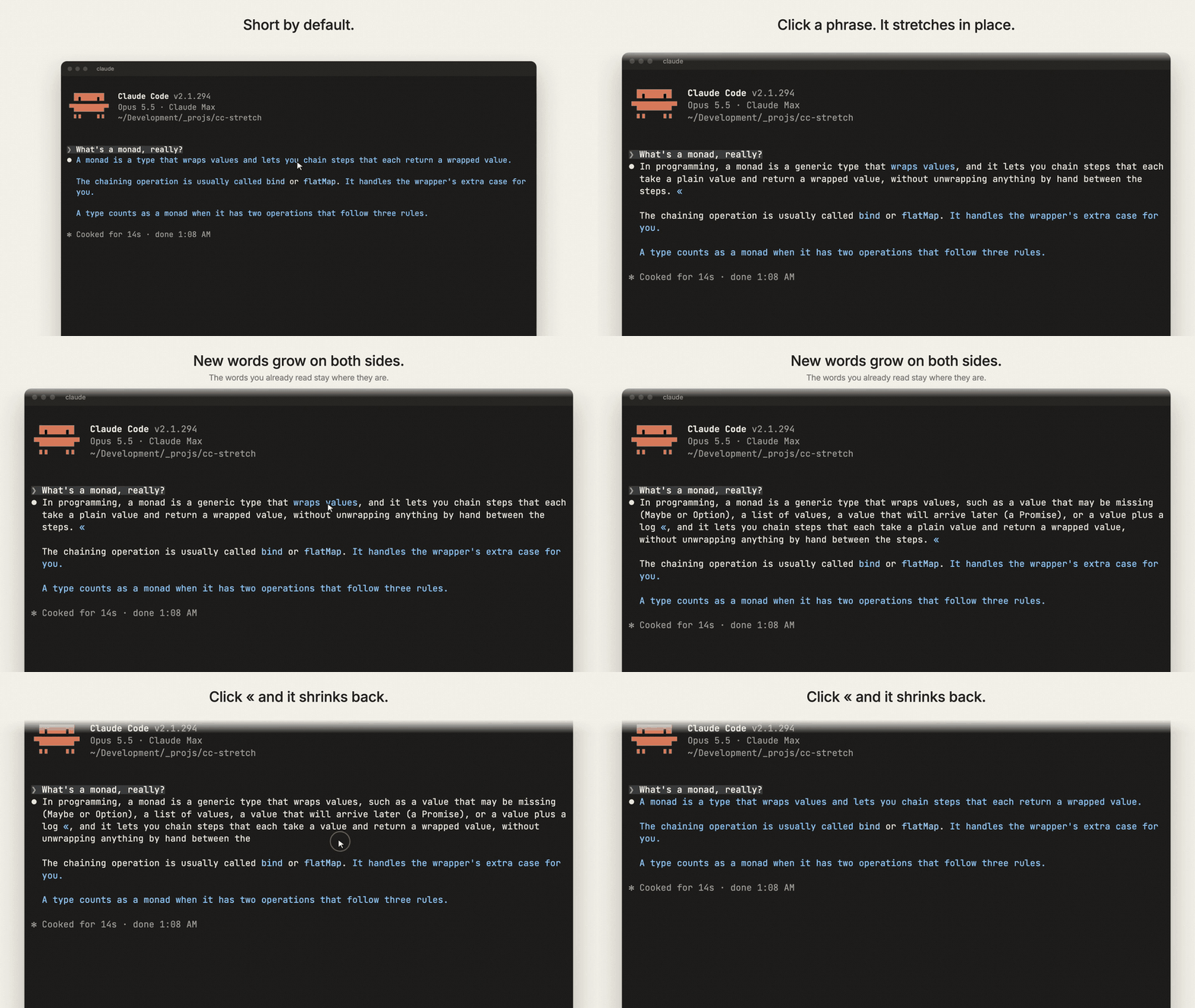 On-site tutorial#AI tutorialUse cc-stretch to Read Claude Code Replies One Phrase at a TimeLearn how cc-stretch adds stretchtext to Claude Code, letting you skim concise replies, expand only the phrases you need, and collapse them again without losing your place. This guide covers installation, usage, supported environments, limitations, and development commands.
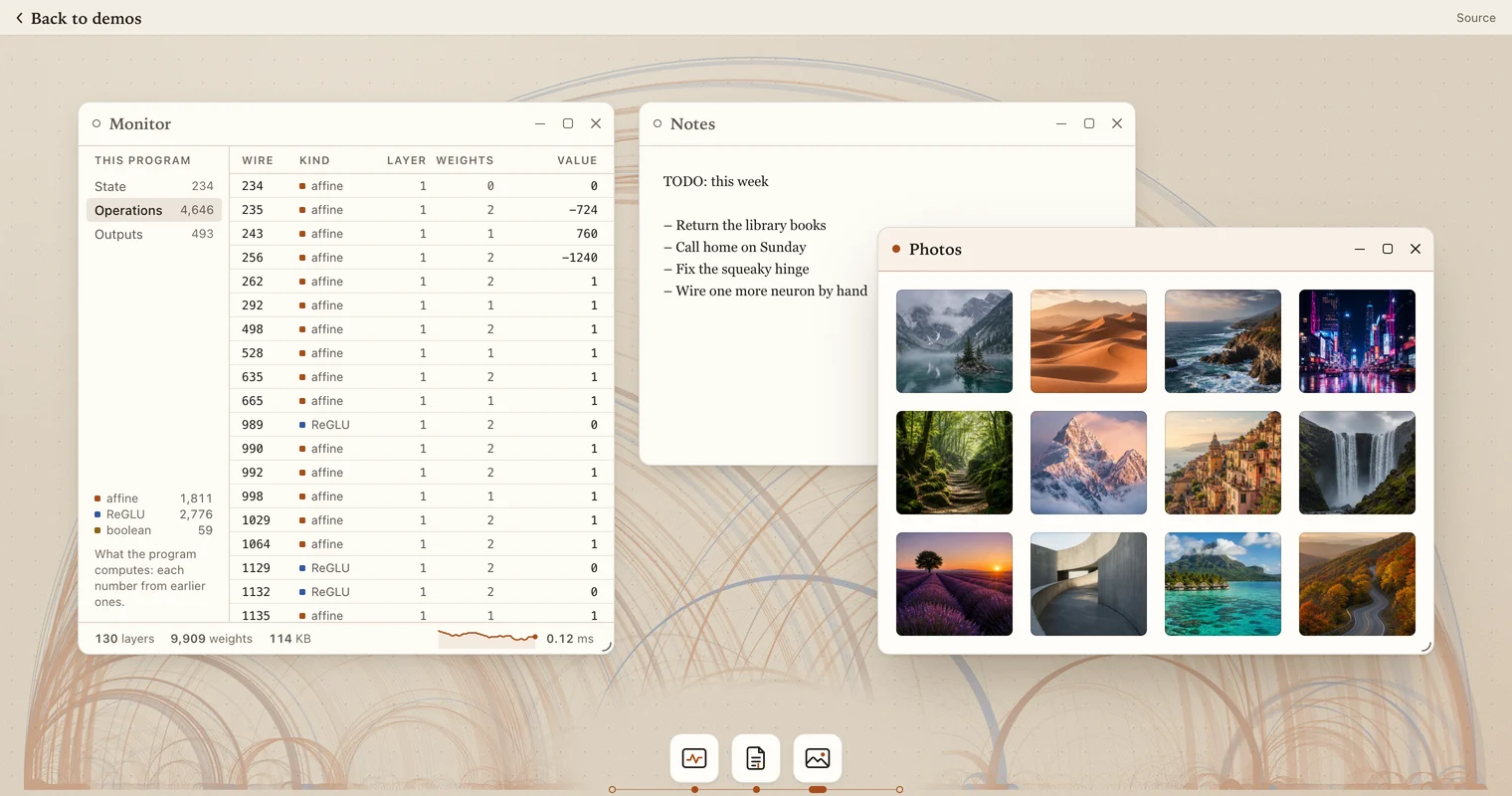 On-site tutorial#AI tutorialHandwired: Turn JavaScript Programs into Differentiable Neural NetworksThis tutorial explains Handwired’s approach to transforming conditionals, loops, and program state into matrix multiplication and ReLU-style operations. You will set up the project with Bun, explore its demos, understand the arithmetic transformation, and learn where its differentiable programs can be useful.
 On-site tutorial#AI tutorialOpen Claude UI Tutorial: Build a High-Fidelity AI Chat Interface with Production-Ready MotionThis tutorial explains how to integrate open-claude-ui into a React, TypeScript, and Tailwind CSS project, configure design tokens and theme styles, combine a model switcher, scroll-fade container, and chat input, and apply IME guards, scroll pinning, spring animations, and accessible interaction modules.
 On-site tutorial#AI tutorialHow to Turn Any Topic into a Two-Minute Audio Course with ClaudemyLearn how to install and use Claudemy, an open-source Claude Code skill that researches a topic, compares sources, and creates short audio lessons, study cards, a playbook, and a lesson plan.
 On-site tutorial#AI tutorialBuild a Local Code Graph and Memory for Coding Agents with GraphicleLearn how to install Graphicle, connect it to coding agents, build a repository code graph, search cited context, inspect dependencies, configure models, and keep project knowledge local and current.
 On-site tutorial#AI tutorialI need to clarify what exactly you mean by the “two upper and lower sections.” Also, where is the photo you uploaded? I need to see it before I can start creating the poster.I need to clarify what exactly you mean by the “two upper and lower sections.” Also, where is the photo you uploaded? I need to see it before I can start creating the poster.
 On-site tutorial#AI tutorial[Classical Poetry] East of Huangshi Pagoda, the river flows; spring languor leans upon the gentle breeze. A cluster of peach blossoms blooms ownerless—how lovely the deep red, how lovely the pale red.
[Main Poster Title] Searching for Flowers by the River
[Core Imagery] Two-toned river water, deep a[Classical Poetry] {Enter the poem title, author, and original text}
[Main Poster Title] {Extract 2–4 representative Chinese characters}
[Core Imagery] {e.g., two-toned river water, golden rapeseed flowers, orange
 On-site tutorial#AI tutorial[Classical Poetry] {Title, author, original text}
[Core scene] {Fill in or extract with AI}
[Key imagery] {Fill in or extract with AI}
[Visual relationship] {e.g., red apricot branches over the wall, dragonfly on lotus, shepherd boy pointing the way}
[Main palette] {Fill in traditional Chinese color[Classical Poetry] {Title, author, original text} [Core scene] {Fill in or extract with AI} [Key imagery] {Fill in or extract with AI} [Visual relationship] {e.g., red apricot branches}
 On-site tutorial#AI tutorial[Engine Instruction] Generate a 20-second surreal—[Engine Instruction] Generate a 20-second surreal—
 On-site tutorial#AI tutorialBuild and Run a Brazilian Legislative Language Model with PyTorchLearn how LLM Legislativo Brasileiro collects and curates official Brazilian legislative documents, trains a causal Transformer from scratch, validates its data pipeline, and runs inference with the released model and tokenizer.